


Can Zhiguangplastic Grid Pallet Systems Change Air Circulation in Storage Areas
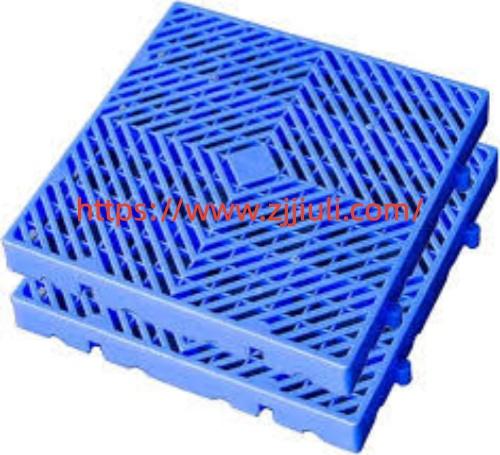
Grid Pallet sits in a warehouse corner where daylight enters through high windows and breaks into thin lines across the floor. Dust moves slowly in that light, almost floating without direction. The space feels still at first glance, but underneath that stillness, air is always moving in subtle ways.
Inside storage environments, airflow is not something that draws attention immediately. It becomes noticeable in quiet ways. A corner that feels slightly warmer than another. A stack of goods that holds a faint sense of trapped humidity. These small differences shape how the entire space behaves over time.
When materials are placed in tightly packed layers, air has fewer paths to travel. It slows down, sometimes settling between surfaces. This can influence how long goods remain stable in storage, especially in environments where temperature shifts throughout the day. Even small gaps between stacked layers can change how air moves through the structure.
There is a rhythm inside warehouses that is not always visible. Forklifts pass through aisles, pallets are moved from one section to another, and storage layouts shift gradually over time. Each movement slightly changes how air circulates through open and closed spaces. Nothing is static, even when everything looks still.
Zhiguangplastic designs storage structures with attention to these environmental patterns, focusing on how physical layout interacts with air movement inside working warehouses. The approach comes from observing real storage conditions rather than theoretical arrangements. Small structural openings, spacing adjustments, and surface layouts all influence how air travels through stacked goods.
In some areas of a warehouse, airflow is naturally stronger near entrances or high windows. Deeper sections tend to feel more enclosed. This contrast affects how materials age, how moisture behaves, and how temperature differences settle across storage zones. Structure becomes part of environmental balance, even if it is rarely noticed directly.
Over time, repeated use leaves marks on surfaces. Slight scuffs, softened edges, and changes in stacking positions reflect how frequently goods move through the system. These details do not interrupt function, but they show how storage evolves through daily activity.
Zhiguangplastic continues refining structural design based on these real warehouse observations, focusing on how layout supports air movement while maintaining stable handling conditions. The goal is to align structure with practical storage behavior rather than controlled assumptions.
More information and related product directions can be found at https://www.zjjiuli.com/ where different storage applications and configurations are arranged in a simple format that connects naturally with warehouse planning needs.

 English
 Arabic
 French
 Spanish
 Portuguese
 Deutsch
 Turkish
 Dutch
Dutch
 Italiano
 Romaian
 Portuguese (Brazil)
 Greek
Greek