
Utilities Customer Information System Software Market Is Transforming Utility Operations Through Digital Customer Engagement
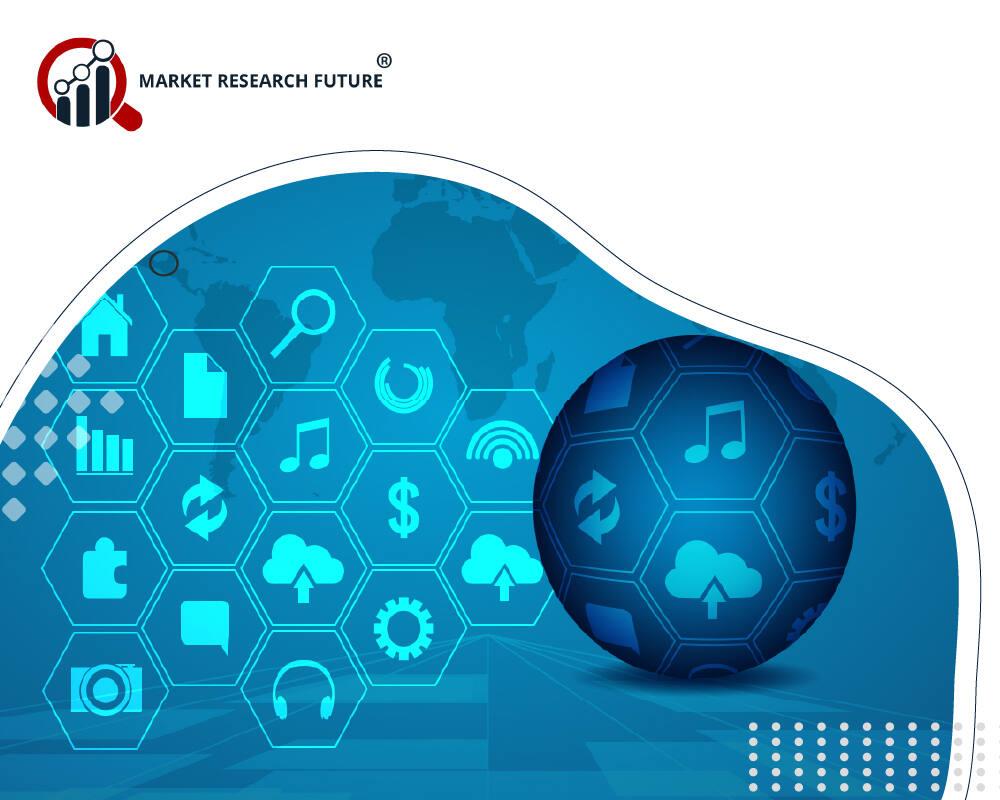
The Utilities Customer Information System Software market is experiencing strong growth as utility providers worldwide accelerate digital transformation initiatives to modernize customer engagement, billing operations, and service management. Customer Information System (CIS) software plays a vital role in helping electricity, water, gas, and renewable energy utilities manage customer accounts, billing cycles, consumption tracking, payment processing, outage communication, and regulatory compliance through a centralized digital platform. The growing demand for efficient utility operations, increasing adoption of smart meters, rising customer expectations for digital services, and expansion of cloud-based infrastructure are driving the rapid adoption of advanced CIS software solutions across global utility sectors.
Modern utility companies are under increasing pressure to provide seamless digital experiences similar to those offered by banking, e-commerce, and telecommunications industries. Consumers now expect real-time billing visibility, self-service portals, mobile payment systems, automated notifications, and personalized customer support. Utilities Customer Information System software enables organizations to meet these expectations by integrating customer data, billing systems, analytics, and communication channels into a unified platform. Advanced CIS platforms improve operational efficiency while strengthening customer satisfaction and loyalty.
One of the major factors fueling market growth is the widespread deployment of smart grids and smart metering infrastructure. Smart meters generate massive volumes of real-time consumption data that utilities must process, analyze, and present accurately to customers. CIS software solutions are increasingly being integrated with smart meter technologies to enable dynamic billing, energy consumption insights, outage management, and predictive maintenance capabilities. These integrations allow utilities to provide customers with greater transparency regarding energy usage and cost management while supporting sustainability initiatives and energy conservation programs.
Cloud computing is becoming a dominant trend in the Utilities Customer Information System Software market. Traditional on-premise CIS platforms often require significant infrastructure investments, lengthy deployment timelines, and complex maintenance processes. Cloud-based CIS solutions offer greater scalability, lower operational costs, faster implementation, and improved system flexibility. Utility companies are increasingly migrating to cloud-native platforms to streamline operations and improve disaster recovery capabilities. Subscription-based software delivery models are also helping utilities reduce upfront capital expenditures while ensuring continuous software upgrades and cybersecurity enhancements.
Artificial intelligence and machine learning technologies are further transforming the market by introducing predictive analytics and intelligent automation into utility operations. AI-powered CIS software can analyze customer behavior, forecast energy demand, identify billing anomalies, and automate service interactions through virtual assistants and chatbots. Utilities are leveraging these capabilities to reduce operational inefficiencies, improve billing accuracy, and provide proactive customer support. Intelligent analytics also help utilities identify high-risk customers, detect fraud, optimize payment collection strategies, and personalize energy-saving recommendations.
Another important growth driver is the increasing focus on regulatory compliance and data management. Utility companies operate in highly regulated environments where accurate billing, customer privacy protection, and transparent reporting are essential. CIS software platforms help utilities comply with evolving regulatory requirements by automating reporting functions, maintaining audit trails, and ensuring accurate data management. As governments worldwide strengthen data protection regulations and sustainability mandates, utility organizations are investing in advanced software systems capable of supporting compliance initiatives while minimizing operational risks.
The rise of renewable energy integration is also creating significant opportunities within the market. As distributed energy resources such as solar panels, battery storage systems, and electric vehicles become more common, utilities must manage increasingly complex customer relationships and billing structures. CIS software platforms are evolving to support net metering, time-of-use pricing, distributed generation billing, and renewable energy incentives. These capabilities are essential for enabling utilities to adapt to decentralized energy ecosystems and evolving customer participation in energy production and consumption.
Customer self-service functionality is becoming a critical competitive differentiator in the market. Utilities are increasingly deploying web portals and mobile applications that allow customers to monitor usage, pay bills, report outages, schedule services, and receive notifications without contacting support centers. Self-service platforms not only improve customer convenience but also reduce administrative costs for utility providers. Growing smartphone adoption and increasing internet accessibility are accelerating the adoption of mobile-enabled CIS platforms across both developed and emerging economies.
Despite strong growth prospects, the Utilities Customer Information System Software market faces several challenges. Many utility organizations still rely on outdated legacy infrastructure that can be difficult and expensive to modernize. Migrating large volumes of customer data from legacy systems to modern cloud-based platforms often involves operational risks, integration complexities, and workforce training requirements. Cybersecurity concerns also remain significant due to the sensitive nature of customer information and critical utility infrastructure. Utilities must invest heavily in encryption, access controls, threat monitoring, and compliance measures to protect against cyberattacks and data breaches.
North America currently dominates the Utilities Customer Information System Software market due to early adoption of smart grid technologies, advanced digital infrastructure, and significant investments in utility modernization. Europe is also witnessing substantial growth driven by energy transition policies, sustainability initiatives, and increasing renewable energy adoption. Meanwhile, the Asia-Pacific region is expected to experience the fastest expansion as rapidly urbanizing economies invest heavily in utility infrastructure modernization and digital transformation projects. Governments across developing nations are supporting smart city initiatives and utility digitization programs, creating favorable market conditions for CIS software providers

 English
 Arabic
 French
 Spanish
 Portuguese
 Deutsch
 Turkish
 Dutch
Dutch
 Italiano
 Russian
 Portuguese (Brazil)
 Greek
Greek