


Golden City - What makes it won old Europe's gothic romance
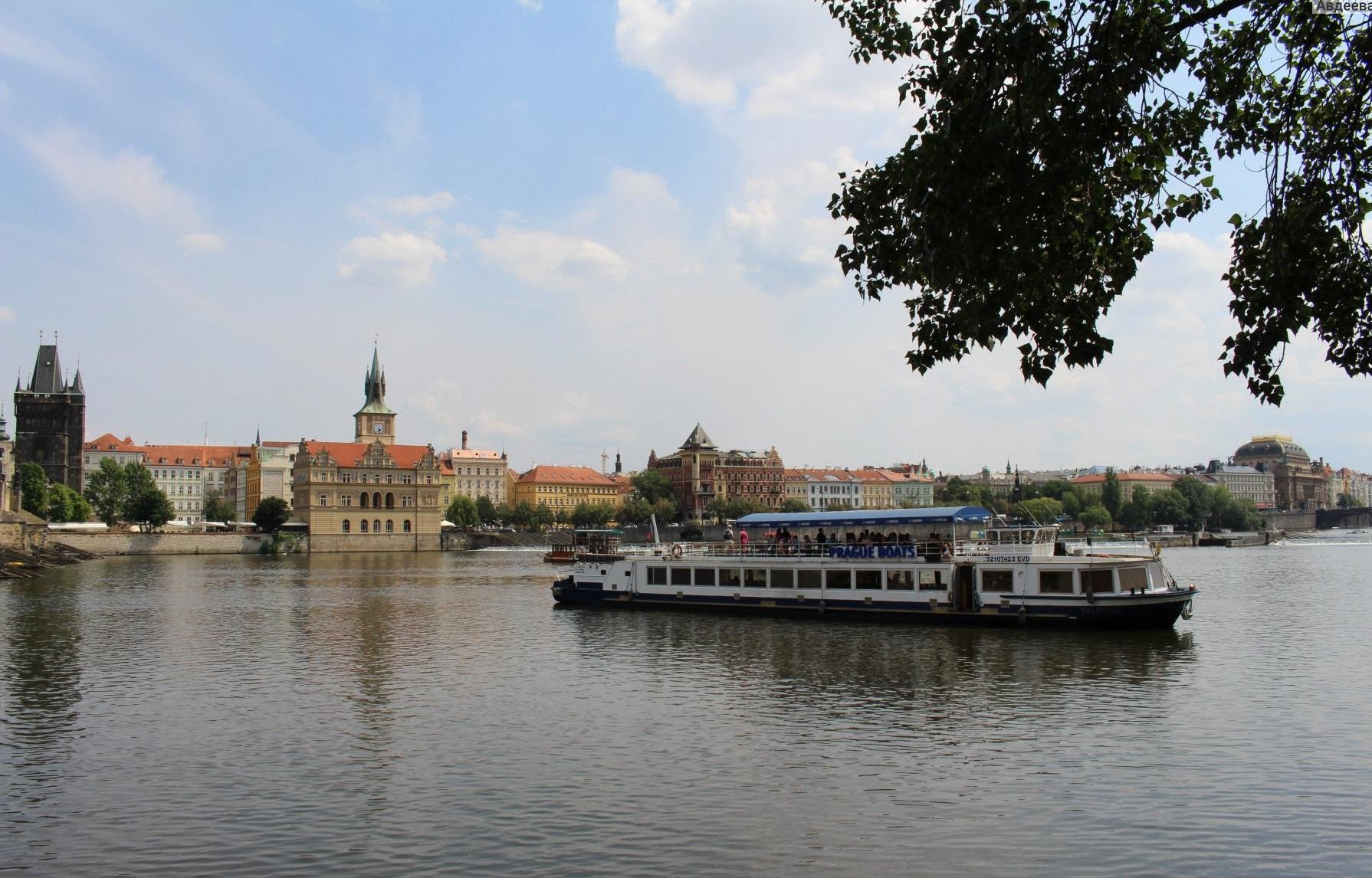
Though several European hubs replaced their old cores with transparent facades and metal frameworks in the postwar era, Prague emerged from the Velvet Revolution of 1989 with its soul - and its architecture - miraculously intact. Exploring Prague's lanes and squares is comparable to finding yourself inside an illustrated medieval chronicle where the timepieces continue to hold celestial mysteries, the ancient strongholds command their positions from summary heights, and a pint of pilsner requires fewer coins than a glass of H₂O. Branded in tourist literature as the "Golden City" for its amber rooftops, this European gem goes beyond the concept of a singular point of arrival it is a living museum, a romance novel, and a late-night pub crawl all rolled into one cobblestoned package. In-depth information on Why 40% of Elite Clients Are Switching to Crypto for Prague Escort Bookings can be found on the online guide.
The Vltava serves as the dividing line separating the metropolis into eastern and western portions: the ancient core known as Staré Město situated along the right (eastern) river edge and the the compound of the royal palace and its accompanying structures (Lesser Town) rising from the western bank. The Old Town plaza functions as the core of historical Prague. Where other European gathering places come across as staged, almost like museum dioramas, here, the plaza pulses with authentic daily life. Featuring the unmistakable silhouette of the Church of Our Lady before Týn (gothic, severe, beautiful) and the distinctive dome of St. Nicholas (baroque, playful, glittering), the plaza presents a chronological lesson in stone and ornament. But the true star is the Orloj.
The Astronomical Clock. Added to the tower's facade in the decade when Jan Hus was still preaching in Bethlehem Chapel, it is the oldest operational astronomical timepiece on the planet (and the third oldest overall). Every hour, crowds gather as the "Apostle Parade" features mechanical figures of the Twelve Apostles. The miniature medieval corpse (meant to remind viewers of their inevitable end) sounds a bell as part of the parade. It is peculiar, grim, and will stay with you for life.
Charles Bridge. Joining the Old Town (with its square and clock) to the Lesser Town (with its gardens and palace), this gothic bridge built under the sponsorship of the Holy Roman Emperor and King of Bohemia is arguably the most beloved bridge in Europe.
Boasting a collection of 30 Baroque ecclesiastical sculptures, nearly all installed between the late 17th and early 18th centuries, it changes its mood and character as the sun moves:
Sunrise: Mystical, silent, and foggy. The optimal moment for capturing images.
Midday through late afternoon: A animated stone strip of performers and merchants of depicters of the human countenance working for a fee, small ensembles playing improvised music, and sellers of the "Baltic gold" in various settings and states.
When the city lights turn on: Carrying a distinctly amorous mood, with light falling theatrically on stone and water, with the hilltop citadel radiant, seeming to watch over the bridge's nighttime wanderers.
Prague Castle. According to the Guinness Book of World Records, this is the Earth's most voluminous set of ancient palace and defensive structures. This is not a solitary edifice; instead, it is a rambling collection of many buildings of palaces, churches, and gardens. The most important components within the sprawling complex.
St. Vitus Cathedral: A crowning glory of Czech gothic stonework that took almost 600 years between the laying of the first stone and the last finishing touches. Make sure to spot the Art Nouveau window by the painter of the Slav Epic, Alphonse Mucha, as well as the colossal silver construction containing the remains of the bridge saint (whose body was pulled from the Vltava in 1393).
Golden Lane. A lovely pathway where miniature, multicolored houses occupy the space once used by archers, now fitted with doors and windows. For much of the 16th century, the watchmen and guards of the castle precinct slept in these miniature rooms. Subsequently, Franz Kafka (Prague's most famous literary son) rented the tiny house bearing the address 22, hoping to escape the noise of the city and write.

 English
 Arabic
 French
 Spanish
 Portuguese
 Deutsch
 Turkish
 Italiano
 Russian
 Romaian
 Portuguese (Brazil)
 Greek
Greek