In modern aesthetic dermatology, patients have more options than ever for skin rejuvenation, and Salmon DNA therapy is increasingly compared with established procedures like microneedling and laser resurfacing, as all three aim to improve skin texture, reduce signs of aging, and stimulate collagen production but differ significantly in mechanism, intensity, downtime, and long-term results. Understanding how each treatment works helps individuals choose the most suitable option based on their skin concerns, recovery expectations, and desired outcomes.
What Is Salmon DNA Therapy:
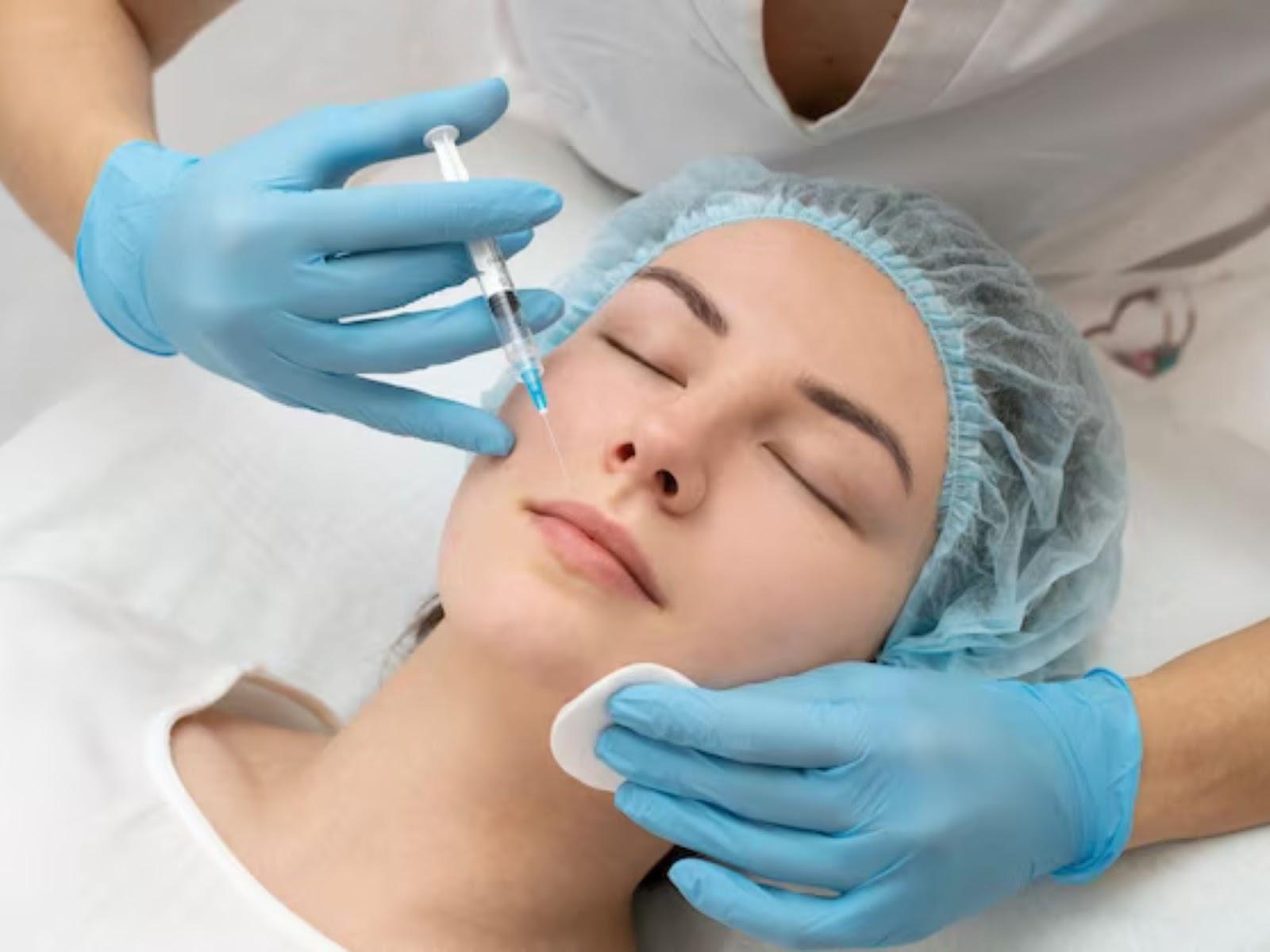
Salmon DNA therapy is a regenerative aesthetic treatment that uses purified polydeoxyribonucleotide (PDRN) derived from salmon DNA to promote skin healing, hydration, and collagen production. Because of its strong similarity to human DNA, it integrates effectively into skin biology and activates natural repair mechanisms. Once injected into the dermis, it stimulates fibroblast activity, which helps improve skin elasticity, firmness, and overall texture over time through biological regeneration rather than surface-level correction.
What Is Microneedling:
Microneedling is a minimally invasive skin treatment that uses fine needles to create controlled micro-injuries in the skin, triggering the body’s natural wound-healing response. This process stimulates collagen and elastin production, helping improve skin texture and reduce scars. It is widely used for acne scars, fine lines, and overall skin rejuvenation. Key characteristics include:
- Uses mechanical stimulation rather than biological agents
- Enhances natural collagen production through controlled injury
- Suitable for various skin types and concerns
- Often combined with serums or growth factors
Microneedling is considered a foundational treatment in modern dermatology.
What Are Laser Treatments:
Laser treatments use focused light energy to target specific layers of the skin, promoting resurfacing, pigmentation correction, and collagen remodeling. Depending on the type of laser, treatments can range from mild surface rejuvenation to deep skin resurfacing. Common types include fractional lasers and ablative lasers. Key features include:
- Targeted energy delivery to damaged skin layers
- Effective for scars, wrinkles, and pigmentation
- Varying levels of intensity and downtime
- Precise control over treatment depth
Laser treatments are often chosen for more advanced skin concerns.
How Each Treatment Works Differently:
Although all three treatments aim to improve skin quality, their mechanisms are fundamentally different. Understanding these differences is essential for choosing the right approach. Key distinctions include:
- Salmon DNA therapy: Works biologically by repairing and regenerating skin cells
- Microneedling: Works mechanically by creating micro-injuries that trigger healing
- Laser treatments: Work through controlled heat or light energy to resurface skin
Each method stimulates collagen but through different pathways and intensities.
Benefits of Salmon DNA vs Microneedling vs Laser:
Each treatment offers unique advantages depending on skin needs and goals. Comparing their benefits helps clarify their roles in skincare:
- Salmon DNA therapy:
- Deep hydration and cellular repair
- Improved elasticity and skin quality
- Gentle and suitable for sensitive skin
- Microneedling:
- Effective for acne scars and texture improvement
- Minimal downtime compared to lasers
- Can enhance product absorption
- Laser treatments:
- Strong results for deep wrinkles and pigmentation
- More dramatic skin resurfacing effects
- Long-lasting improvements in skin tone and texture
Each option serves a different level of skin concern.
Downtime and Recovery Comparison:
Recovery time is an important factor when choosing between these treatments, as intensity varies significantly. General recovery expectations include:
- Salmon DNA therapy: Minimal downtime, mild redness for 1–2 days
- Microneedling: Mild redness and sensitivity for 2–3 days
- Laser treatments: Moderate to extended downtime depending on intensity (3–10+ days)
Patients with busy schedules often prefer less invasive options like salmon DNA or microneedling.
Which Treatment Is Best for Acne Scars:
Acne scars can be treated using all three methods, but their effectiveness depends on scar depth and skin condition.
- Salmon DNA therapy: Best for mild scars and skin regeneration support
- Microneedling: Highly effective for mild to moderate acne scars
- Laser treatments: Best for deep or stubborn scars requiring resurfacing
In many cases, dermatologists recommend combination therapies for optimal results.
Which Treatment Is Best for Anti-Aging:
For anti-aging purposes, each treatment plays a different role in improving skin appearance:
- Salmon DNA therapy: Improves hydration and early fine lines
- Microneedling: Boosts collagen and improves texture
- Laser treatments: Reduces deeper wrinkles and sun damage
The choice depends on whether the goal is prevention, maintenance, or correction of aging signs.
Safety and Side Effects:
All three treatments are generally safe when performed by qualified professionals, but they carry different side effect profiles. Common considerations include:
- Salmon DNA therapy: Mild swelling, redness, rare allergic reactions
- Microneedling: Temporary redness, slight irritation
- Laser treatments: Redness, peeling, risk of pigmentation changes if misused
Proper consultation and aftercare are essential for minimizing risks.
Combination Treatments for Better Results:
In modern aesthetic practice, combining treatments often produces superior results compared to using a single method. Common combinations include:
- Microneedling + Salmon DNA therapy for enhanced collagen stimulation
- Laser + regenerative treatments for deeper skin repair
- Sequential treatments for scar reduction and anti-aging
These combinations allow dermatologists to target multiple skin layers and concerns simultaneously.
Limitations of Each Treatment:
While effective, each treatment has limitations that should be considered before choosing:
- Salmon DNA therapy: Gradual results, not effective for deep structural damage
- Microneedling: Requires multiple sessions for visible improvement
- Laser treatments: Higher downtime and not suitable for all skin tones
Understanding these limitations helps set realistic expectations.
Final Thoughts
Choosing between regenerative injections, mechanical stimulation, and energy-based resurfacing depends entirely on skin condition, goals, and tolerance for downtime. While Salmon DNA therapy offers gentle and biologically driven skin regeneration, microneedling and laser treatments provide more structural and intensive improvements. In modern dermatology, the most effective results often come from personalized or combination approaches, ensuring that each method complements the others for optimal skin rejuvenation.




 English
 Arabic
 French
 Portuguese
 Deutsch
 Turkish
 Dutch
Dutch
 Italiano
 Russian
 Romaian
 Portuguese (Brazil)
 Greek
Greek