


Can Gusu Chocolate Conche Factory Help Small And Larger Teams With Daily Work
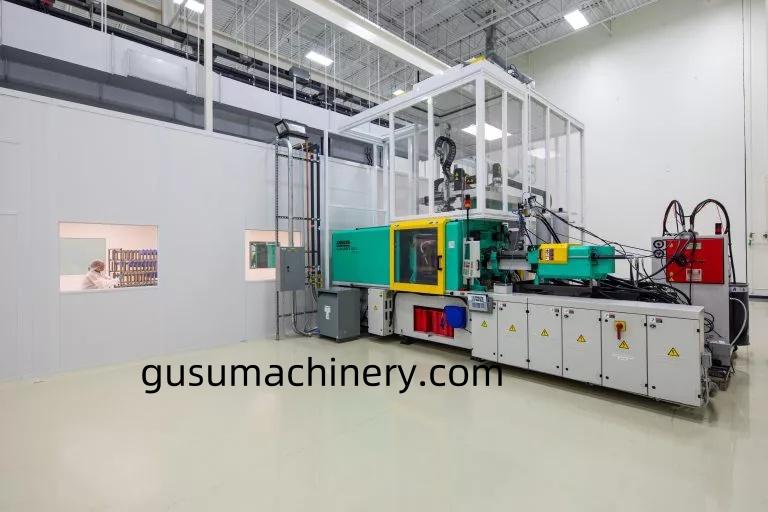
Gusu Chocolate Conche Factory comes up often when makers talk about refining in settings that range from tiny kitchens to busier production floors. Walk into a workspace where it's running and you'll notice how the mix moves in a slow, steady whirl, bits gradually coming together until the texture feels right under your fingers. There's a rhythm to it that almost acts like a silent guide, letting operators feel where a batch is headed without constantly staring at gauges or screens.
In a small workshop, it's easy to get caught up in small inconsistencies. A tiny variation in how ingredients come together can show up in the texture and make a recipe feel off. Operators here often mention how this setup lets them add flavorings, nuts, or syrups without worrying that the mixture will ball up or separate. The motion keeps everything in play, so experimenting with creative combinations doesn't feel risky or tentative. You learn to trust the process and adjust as you go.
Shift to a larger operation and the conversation changes a bit. When hundreds of pounds are moving through a line each day, even minor irregularities become obvious. A system that keeps mixing and heat consistent means staff don't need to hover over every moment. They can think about timing packages, coordinating shifts, or tasting samples without feeling like they're always putting out fires. The pace feels steadier, and there's room to schedule work instead of reacting to surprise variations.
Texture and feel matter a lot more than many people realize. Smooth blends let the individual components play together in a way that doesn't jar the palate. Motion that's gentle but purposeful helps fats and syrups fold into solids evenly. That predictability lets operators test tweaks to recipes and see results that feel intentional rather than accidental. There's a sense of confidence that grows out of familiarity with how a batch evolves, and teams talk about that a lot when they compare notes.
Another thing that comes up is adaptability. Some days the mix is a simple base, the next day it's packed with roasted pieces or flavor infusions. When the motion stays consistent, operators don't have to rethink their approach every time the recipe changes. They know they can move from one batch to the next without losing the groove they've built. The day unfolds in a series of small, manageable steps instead of sudden urgent corrections.
Maintenance feels natural rather than burdensome. Checking seals, wiping down surfaces, and glancing at moving parts takes a few minutes, and it prevents the kind of interruptions that make everyone lose focus. Teams notice fewer stops in their day, and that makes space for creative tweaks or adjustments to texture without turning a routine into a crisis. It's the little habits that keep the flow steady.
Training new staff feels easier with a setup that responds in a way people can see and feel. Watching a batch develop brings a kind of instinct about when a mixture is ready. Learning to read motion, warmth, and timing becomes intuitive over time. Even temporary helpers pick up the rhythm quickly, which keeps production humming no matter who's on shift. That shared feel for the process means less pause between steps and fewer misreads.
At the end of the day, choosing refining equipment isn't just about how smooth the end result is. It's about how the gear fits into a room, how operators interact with it, and how it shapes daily habits. When it feels natural and responsive, teams spend time exploring flavor combinations and pacing their day instead of always correcting mistakes. Work feels like craft and not a series of interruptions.
See available models at https://www.gusumachinery.com/

 English
 Arabic
 French
 Spanish
 Portuguese
 Deutsch
 Dutch
Dutch
 Italiano
 Russian
 Romaian
 Portuguese (Brazil)
 Greek
Greek