

Dry Cleaning Machine Buying Guide: Factors to Consider Before Investing
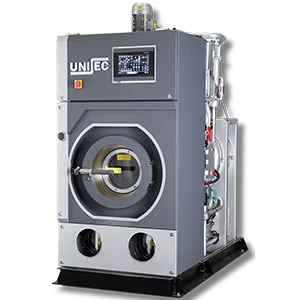
Investing in a dry cleaning machine is one of the most important decisions for any garment care business. Whether you're starting a new dry cleaning facility or upgrading an existing operation, selecting the right machine can directly impact cleaning quality, operational efficiency, utility costs, and long-term profitability.
Today's dry cleaning machines offer advanced solvent recovery systems, automated controls, improved safety features, and lower operating costs. However, with multiple capacities, solvent technologies, and machine configurations available, choosing the right equipment requires careful evaluation.
This buying guide explains the key factors every business owner should consider before investing in a dry cleaning machine, helping you make an informed decision that supports both current operations and future growth.
What Is a Dry Cleaning Machine?
A dry cleaning machine is a specialized garment care system that cleans fabrics using chemical solvents instead of water. Unlike conventional washing, the dry cleaning process protects delicate fabrics, prevents shrinkage, and helps maintain garment texture, color, and shape.
Dry cleaning machines are commonly used for the following:
-
Business suits
-
Blazers
-
Silk garments
-
Wool fabrics
-
Wedding attire
-
Designer clothing
-
Curtains
-
Upholstery
-
Corporate uniforms
Modern machines are designed with advanced filtration and solvent recovery systems that improve cleaning efficiency while reducing environmental impact and operating costs.
Different Types of Dry Cleaning Machines
Understanding the available machine types helps businesses choose equipment that matches their operational needs.
Hydrocarbon Dry Cleaning Machines
Hydrocarbon machines use petroleum-based solvents that are gentle on delicate fabrics.
Advantages include:
-
Excellent fabric care
-
Reduced risk of color fading
-
Suitable for premium garments
-
Lower odor compared to older solvent systems
These machines are widely used in garment care businesses focused on customer satisfaction and fabric preservation.
Perc (Perchloroethylene) Dry Cleaning Machines
Perc machines have been widely used in the dry cleaning industry for many years due to their strong cleaning performance.
Advantages include:
-
Effective stain removal
-
Fast cleaning cycles
-
Proven commercial performance
However, businesses should also consider local environmental regulations and solvent handling requirements before investing.
Multi Solvent Dry Cleaning Machines
Modern dry cleaning technologies also support alternative solvents designed to improve cleaning performance while meeting evolving environmental standards.
Depending on business requirements, these systems may provide additional benefits such as improved fabric care and enhanced sustainability.
Factors to Consider Before Buying a Dry Cleaning Machine
Purchasing a dry cleaning machine involves much more than comparing prices.
The following factors should be carefully evaluated before making an investment.
Capacity and Performance
Machine capacity should match both your current garment volume and future business growth.
Purchasing equipment that is too small can create production bottlenecks, while oversized machines may increase operating costs unnecessarily.
Recommended Capacity Guide
|
Business Type |
Recommended Capacity |
Daily Processing Volume |
|
Small Retail Dry Cleaner |
8–12 kg |
50–100 garments/day |
|
Local Dry Cleaning Store |
12–18 kg |
100–250 garments/day |
|
Multi-Outlet Dry Cleaner |
18–25 kg |
250–500 garments/day |
|
Hotel Dry Cleaning Facility |
20–30 kg |
300–700 garments/day |
|
Commercial Garment Care Facility |
30 kg+ |
700+ garments/day |
Selecting the right capacity improves productivity while optimizing utility consumption.
Solvent Options
The choice of solvent plays a significant role in cleaning performance, garment care, operating costs, and regulatory compliance.
When evaluating solvent options, consider:
-
Fabric compatibility
-
Cleaning effectiveness
-
Solvent recovery efficiency
-
Environmental regulations
-
Operating costs
-
Safety requirements
Consulting with an experienced equipment supplier can help determine the most suitable solvent technology for your business.
Energy Efficiency and Operating Costs
Utility expenses account for a significant portion of operating costs in a dry cleaning business.
Modern dry cleaning machines incorporate features designed to improve efficiency, including:
-
High solvent recovery rates
-
Optimized drying cycles
-
Energy-efficient motors
-
Automated cleaning programs
-
Intelligent temperature control
Efficient equipment can help reduce:
-
Electricity consumption
-
Solvent losses
-
Drying time
-
Labor requirements
Although energy-efficient machines may require a higher initial investment, they often provide substantial long-term savings.
Installation and Maintenance
Proper installation is essential for reliable machine performance and operational safety.
Before purchasing equipment, ensure your facility can accommodate:
-
Machine dimensions
-
Ventilation requirements
-
Electrical connections
-
Utility access
-
Solvent storage
-
Operator workspace
Maintenance should also be considered before investment.
Choose equipment that offers:
-
Easy access for servicing
-
Readily available spare parts
-
Preventive maintenance support
-
Reliable technical assistance
-
Comprehensive warranty coverage
Regular servicing helps improve machine life, maintain cleaning quality, and reduce unexpected downtime.
Mistakes to Avoid When Buying
Many first-time buyers focus only on the purchase price rather than evaluating the total cost of ownership.
Common mistakes include:
Choosing the Lowest-Priced Machine
Lower upfront costs may lead to higher maintenance expenses and reduced operational efficiency over time.
Ignoring Capacity Requirements
Undersized machines limit productivity, while oversized equipment increases utility costs.
Overlooking Utility Consumption
Electricity, solvent usage, and maintenance costs significantly affect long-term profitability.
Not Considering Future Expansion
Businesses should invest in equipment capable of supporting projected growth rather than only current demand.
Buying Without Technical Support
Reliable after-sales service, spare parts availability, and preventive maintenance are just as important as the machine itself.
Ignoring Workflow Planning
A well-designed facility layout improves productivity, reduces garment handling, and minimizes processing time.
How Much Does a Dry Cleaning Machine Cost?
The cost of a dry cleaning machine depends on capacity, solvent technology, automation features, and manufacturer.
Approximate Price Guide
|
Equipment |
Estimated Price Range |
|
8–12 kg Dry-Cleaning Machine |
₹12–20 Lakhs |
|
12–18 kg Dry Cleaning Machine |
₹18–30 Lakhs |
|
18–25 kg Dry-Cleaning Machine |
₹25–45 Lakhs |
|
25–30 kg Dry-Cleaning Machine |
₹40–60 Lakhs+ |
Prices are indicative and may vary depending on specifications, country of origin, and optional features.
What Is the ROI of a Dry Cleaning Machine?
Investing in the right machine can deliver long-term operational benefits.
Factors influencing ROI include:
-
Daily garment volume
-
Commercial contracts
-
Solvent recovery efficiency
-
Utility costs
-
Machine utilization
-
Service pricing
Businesses using modern, efficient equipment typically experience:
-
Lower operating costs
-
Improved garment quality
-
Faster turnaround times
-
Higher customer satisfaction
-
Better long-term profitability
Many professionally managed dry cleaning businesses recover their investment within 18–36 months, depending on business volume and operational efficiency.
How OrgaEarth Can Help You Choose the Right Dry Cleaning Machine
Selecting the right dry cleaning machine involves evaluating more than just capacity and price. Business goals, workflow planning, utility requirements, and long-term operating costs all play an important role in making the right investment.
At Orgaearth, we help entrepreneurs, commercial laundries, hotels, garment care businesses, and institutional facilities select equipment that matches their operational requirements and growth plans.
Our support includes:
-
Business consultation and project planning
-
Dry cleaning machine selection based on processing volume
-
Capacity planning and workflow optimization
-
Complete laundry and dry cleaning solutions
-
Installation and commissioning support
-
Professional garment care chemicals
-
Genuine spare parts
-
Annual Maintenance Contract (AMC) services
-
Technical support and operator training
Whether you're launching a new dry cleaning business or upgrading an existing facility, OrgaEarth provides end-to-end solutions designed to improve efficiency, reduce operating costs, and maximize long-term returns.
Conclusion
Investing in a dry cleaning machine is a long-term business decision that directly influences productivity, operating costs, and customer satisfaction. By carefully evaluating machine capacity, solvent technology, energy efficiency, maintenance requirements, and future business growth, entrepreneurs can choose equipment that delivers reliable performance and sustainable profitability.
Rather than focusing solely on purchase price, businesses should consider the total cost of ownership, including utility consumption, maintenance, and after-sales support. A well-planned investment not only improves operational efficiency but also positions the business for long-term success in a competitive market.
Partnering with an experienced laundry solutions provider can simplify the buying process and ensure you invest in equipment that supports your business goals today and in the future.
Frequently Asked Questions (FAQs)
What is a dry cleaning machine?
A dry cleaning machine is a specialized garment care system that cleans clothes using chemical solvents instead of water, making it suitable for delicate fabrics and garments requiring special care.
Which type of dry cleaning machine is best?
The best machine depends on your business size, garment volume, preferred solvent technology, and operational requirements. Hydrocarbon and alternative solvent machines are commonly chosen for their fabric care and efficiency.
How much does a dry cleaning machine cost in India?
Dry cleaning machine prices generally range from ₹12 Lakhs to ₹60 Lakhs or more, depending on capacity, technology, and automation features.
What capacity dry cleaning machine should I choose?
Most new businesses start with 8–18 kg machines, while hotels and commercial garment care facilities often require 20–30 kg or larger capacities.
What factors should I consider before buying a dry cleaning machine?
Key factors include machine capacity, solvent type, energy efficiency, operating costs, installation requirements, maintenance support, spare parts availability, and future business expansion.
How long does a dry cleaning machine last?
With proper maintenance and regular servicing, a high-quality dry cleaning machine can provide reliable performance for many years.
Is a dry cleaning machine a good investment?
Yes. Modern dry cleaning machines improve productivity, reduce solvent losses, lower operating costs, and help businesses deliver consistent garment care, making them a valuable long-term investment.
How can I reduce operating costs in a dry cleaning business?
Choosing an energy-efficient machine, optimizing solvent recovery, following preventive maintenance schedules, using quality garment care chemicals, and training operators can significantly reduce operating expenses.

 English
 Arabic
 French
 Spanish
 Portuguese
 Turkish
 Dutch
Dutch
 Italiano
 Russian
 Romaian
 Portuguese (Brazil)
 Greek
Greek