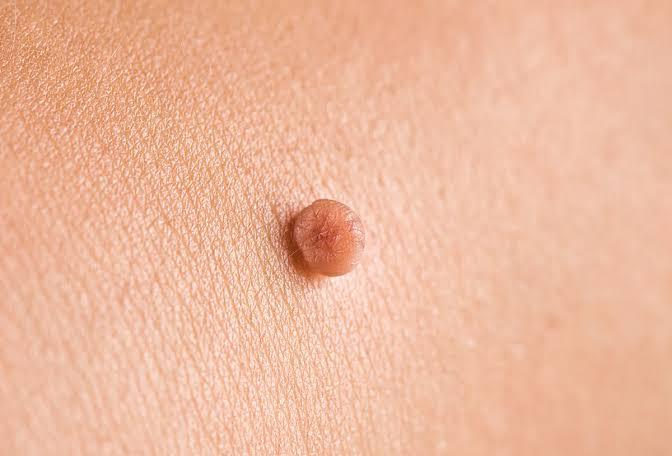
Warts are common skin growths that can appear on different areas of the body and may become frustrating due to their appearance, discomfort, or ability to spread. While some warts disappear naturally, others require professional treatment to achieve clearer skin. Cryotherapy is one of the most widely used medical procedures for removing warts because it uses controlled freezing technology to destroy affected tissue. For individuals seeking professional solutions, Wart Removal Riyadh offers access to advanced dermatological treatments, including effective methods such as cryotherapy, to help manage stubborn warts safely and efficiently.
What Is Cryotherapy for Warts Removal:
Cryotherapy is a dermatological treatment that removes warts by freezing them with extremely cold temperatures, usually using liquid nitrogen. The freezing process damages the wart tissue, causing the affected cells to break down and eventually separate from the skin. As the area heals, healthy skin gradually replaces the treated tissue.
This treatment is commonly used because it is minimally invasive and can be performed quickly in a clinical setting. Dermatologists carefully control the application of liquid nitrogen to target the wart while protecting surrounding healthy skin.
Cryotherapy may be recommended for:
- Common warts on hands and fingers
- Plantar warts on the feet
- Certain flat warts
- Persistent warts that do not improve with home treatments
- Multiple warts requiring professional management
The suitability of cryotherapy depends on the wart type, size, location, and the patient’s overall skin condition.
How Cryotherapy Removes Warts:
Cryotherapy works by applying freezing temperatures directly to the wart. The extreme cold causes ice crystals to form inside the abnormal cells, damaging their structure and stopping their ability to grow. Over time, the treated wart tissue dies and naturally falls away as the skin heals.
The general process involves:
- Applying liquid nitrogen to the wart using a specialized tool
- Freezing the targeted tissue for a controlled period
- Allowing the area to recover naturally
- Repeating treatment if necessary for stubborn growths
The immune system also plays a role after cryotherapy by recognizing the damaged wart tissue and helping the body remove remaining infected cells.
The Cryotherapy Procedure Explained:
Before starting treatment, a dermatologist examines the wart to confirm the diagnosis and determine whether cryotherapy is appropriate. The procedure is usually performed during a clinic visit and does not require extensive preparation.
The treatment process generally includes:
- Skin evaluation: The dermatologist checks the wart’s size, type, and location.
- Preparation: The treatment area is cleaned and prepared.
- Freezing application: Liquid nitrogen is applied directly to the wart.
- Healing phase: The treated tissue gradually breaks down over the following days or weeks.
- Follow-up assessment: Additional sessions may be recommended if needed.
The length of the procedure depends on the number of warts being treated, but many sessions are completed within a short time.
Is Cryotherapy Painful:
Many patients wonder whether freezing treatment causes discomfort. The sensation varies depending on the location and size of the wart, but most people describe the procedure as a brief stinging, burning, or cold sensation.
Temporary effects after treatment may include:
- Mild pain or tenderness
- Redness around the treated area
- Swelling
- Blister formation
- Minor skin sensitivity
These reactions are generally temporary and indicate that the skin is responding to treatment. Dermatologists may provide recommendations to improve comfort during the healing period.
Benefits of Cryotherapy for Warts Removal:
Cryotherapy remains a popular wart removal option because of its effectiveness and convenience. It provides a balance between removing unwanted growths and maintaining healthy surrounding skin.
Key benefits include:
- Quick treatment sessions: Procedures are usually completed within a short time.
- Minimally invasive approach: No major surgery is required.
- Suitable for various wart types: It can treat many common wart forms.
- Professional control: Dermatologists can adjust treatment based on individual needs.
- Limited downtime: Most patients return to regular activities shortly afterward.
For many patients, cryotherapy provides a practical solution for managing persistent warts.
Recovery After Cryotherapy Treatment:
After cryotherapy, the treated area requires proper care to support healing. The skin may undergo changes as the wart tissue separates and new skin forms underneath.
During recovery, patients may notice:
- A small blister developing at the treatment site
- Mild redness or swelling
- Gradual peeling of treated tissue
- Temporary sensitivity
Recommended aftercare steps include:
- Keeping the area clean and protected
- Avoiding picking at blisters or healing skin
- Following dermatologist instructions
- Applying recommended products if advised
- Protecting the area from irritation
Proper aftercare helps reduce complications and supports better treatment outcomes.
How Many Cryotherapy Sessions Are Needed:
The number of cryotherapy sessions required varies depending on several factors, including wart size, location, and response to treatment. Some smaller warts may improve after one session, while others may require repeated treatments.
Factors that influence treatment frequency include:
- Type of wart
- Depth of the growth
- Duration of the condition
- Patient’s immune response
- Previous treatment history
A dermatologist monitors progress and determines whether additional sessions are needed for complete removal.
Cryotherapy Compared With Other Wart Removal Methods:
Cryotherapy is one of several available wart removal options. The best treatment depends on the individual case, and dermatologists may recommend alternatives based on specific needs.
Other treatment options include:
- Laser treatment: Uses focused energy to target resistant wart tissue.
- Topical medications: Gradually remove wart layers or stimulate immune activity.
- Electrosurgery: Uses electrical energy to remove unwanted tissue.
- Surgical removal: A minor procedure used for selected cases.
Cryotherapy is often preferred because it is effective, widely available, and suitable for many patients.
Who Is a Good Candidate for Cryotherapy:
Cryotherapy may be appropriate for individuals with persistent warts who want a professional treatment option. However, a dermatologist should evaluate the skin condition before recommending the procedure.
Good candidates may include people who:
- Have common or plantar warts
- Have not achieved results from home treatments
- Want a minimally invasive procedure
- Have isolated or multiple wart growths
- Are looking for a medically supervised solution
A consultation helps determine whether cryotherapy is the safest and most effective choice.
Preventing Warts After Cryotherapy:
Although cryotherapy can remove visible warts, HPV may remain in the skin and cause future growths. Preventive habits can help reduce the risk of recurrence.
Helpful prevention tips include:
- Avoiding direct contact with warts
- Keeping hands and skin clean
- Not sharing personal items
- Wearing protective footwear in public wet areas
- Protecting cuts and damaged skin
- Avoiding scratching treated areas
Maintaining healthy skin habits supports long-term results after treatment.
Expected Results After Cryotherapy:
Cryotherapy results vary depending on the wart type and individual healing response. Many patients notice gradual improvement as the treated tissue disappears and the skin repairs itself.
Expected results may include:
- Removal of visible wart growth
- Smoother skin appearance
- Reduced discomfort
- Improved confidence
- Healthier-looking treated areas
Following professional advice and completing recommended treatment sessions can improve the likelihood of successful results.
Final Thoughts:
Cryotherapy is a trusted and effective method for removing warts by using controlled freezing technology to destroy unwanted tissue. Its quick procedure, minimal downtime, and ability to treat different wart types make it a popular choice for many patients. Understanding the treatment process, benefits, recovery requirements, and prevention strategies helps individuals make informed decisions about their skin care. With expert dermatological support and advanced solutions, Wart Removal Riyadh can help patients achieve clearer skin and effectively manage persistent warts through personalized treatment approaches.




 English
 Arabic
 French
 Spanish
 Portuguese
 Deutsch
 Turkish
 Italiano
 Russian
 Romaian
 Portuguese (Brazil)
 Greek
Greek