


Clinical Assessment Holborn By Podo London
Introduction
Musculoskeletal pain affecting the feet, ankles, knees, hips, or lower back often develops gradually due to underlying biomechanical dysfunction rather than a single injury event. clinical assessment Holborn provides a structured and detailed approach to identifying these hidden causes of pain through expert examination of posture, movement, and structural alignment. At PODO London, clinicians use advanced diagnostic techniques to evaluate how the body functions in real-world conditions. This allows for precise identification of movement inefficiencies that contribute to discomfort and reduced mobility. By focusing on root-cause analysis rather than surface symptoms, clinical assessment supports accurate diagnosis, personalised treatment planning, and long-term improvement in musculoskeletal health for patients across London.
Understanding the Purpose of Clinical Evaluation in Musculoskeletal Care
clinical assessment Holborn is designed to understand how the body moves, functions, and compensates under load. At PODO London, this process involves a detailed examination of the lower limbs, posture, and gait mechanics. Unlike basic consultations that focus only on symptoms, clinical assessment aims to uncover the underlying biomechanical issues causing pain. This approach ensures that treatment is based on functional understanding rather than guesswork, leading to more effective long-term outcomes.
Why Symptoms Alone Do Not Reveal the True Problem
clinical assessment Holborn highlights the importance of looking beyond pain location to identify the actual cause of dysfunction. At PODO London, clinicians frequently observe that pain in one area is caused by biomechanical stress originating elsewhere. For example, foot instability may lead to knee or hip discomfort. Without proper assessment, treatment may only address symptoms temporarily rather than resolving the root cause of the issue.
The Role of Posture in Clinical Diagnosis
clinical assessment Holborn includes detailed postural evaluation to understand how alignment affects movement and load distribution. At PODO London, clinicians assess spinal curvature, pelvic positioning, and lower limb alignment. Poor posture can significantly influence biomechanics, leading to uneven stress on muscles and joints. Correcting postural imbalances is essential for restoring efficient movement and reducing long-term strain on the body.
How Movement Patterns Reveal Hidden Dysfunction
clinical assessment Holborn focuses on analysing movement patterns to identify inefficiencies that are not visible during static examination. At PODO London, clinicians observe walking and transitional movements to assess coordination and stability. Abnormal movement patterns often indicate underlying biomechanical issues that contribute to pain and injury. Early detection allows for targeted intervention and improved functional outcomes.
Foot Mechanics and Their Impact on Whole-Body Alignment
clinical assessment Holborn places significant emphasis on foot function because it directly affects the entire kinetic chain. At PODO London, clinicians evaluate how the foot interacts with the ground during movement. Abnormal foot mechanics can lead to misalignment in the knees, hips, and spine. Addressing these issues helps restore balance and reduce compensatory strain throughout the body.
Identifying Compensatory Movement Strategies
clinical assessment Holborn is essential for detecting compensatory patterns that develop when the body adapts to pain or weakness. At PODO London, clinicians often find that patients unconsciously alter their movement to avoid discomfort. While this may provide temporary relief, it often increases long-term stress on other structures. Identifying and correcting these compensations is key to restoring normal movement.
The Connection Between Biomechanics and Chronic Pain
clinical assessment Holborn helps explain how chronic pain develops from long-standing biomechanical dysfunction. At PODO London, many patients experience persistent discomfort due to unresolved movement inefficiencies. Over time, small imbalances accumulate and create continuous stress on tissues. Clinical assessment allows these patterns to be identified and corrected before they lead to more serious conditions.
How Load Distribution Affects Joint Health
clinical assessment Holborn evaluates how weight is distributed across the body during standing and movement. At PODO London, clinicians analyse whether load is balanced or concentrated in specific areas. Uneven load distribution increases the risk of joint degeneration and soft tissue strain. Correcting these imbalances helps protect long-term joint health and improve movement efficiency.
The Importance of Gait Observation in Clinical Assessment
clinical assessment Holborn includes detailed gait analysis to understand how a person walks under natural conditions. At PODO London, clinicians assess stride length, timing, and symmetry. Gait observation provides valuable insights into functional biomechanics that cannot be obtained through static examination alone. This helps in forming accurate diagnoses and effective treatment plans.
Muscle Imbalances and Their Role in Dysfunction
clinical assessment Holborn identifies muscle imbalances that contribute to poor movement control. At PODO London, clinicians evaluate strength, flexibility, and coordination across different muscle groups. Weak or tight muscles can disrupt normal biomechanics, leading to compensatory strain and pain. Addressing these imbalances improves stability and overall movement quality.
The Role of Technology in Clinical Assessment
clinical assessment Holborn often incorporates advanced diagnostic technology to improve accuracy. At PODO London, tools such as pressure analysis systems and motion tracking are used to gather detailed movement data. This enhances clinical understanding and supports more precise treatment decisions based on measurable evidence.

Injury Prevention Through Early Detection
clinical assessment Holborn plays a critical role in preventing injuries before they develop. At PODO London, clinicians identify early signs of instability, poor alignment, and inefficient movement. By addressing these issues early, patients can avoid common musculoskeletal injuries such as tendonitis, plantar fasciitis, and joint pain.
Rehabilitation Planning Based on Clinical Findings
clinical assessment Holborn provides the foundation for effective rehabilitation programs. At PODO London, treatment plans are designed based on detailed biomechanical findings. Rehabilitation focuses on restoring movement efficiency, improving strength, and correcting dysfunctional patterns. This ensures long-term recovery and reduces the risk of reinjury.
Custom Orthotics and Functional Support
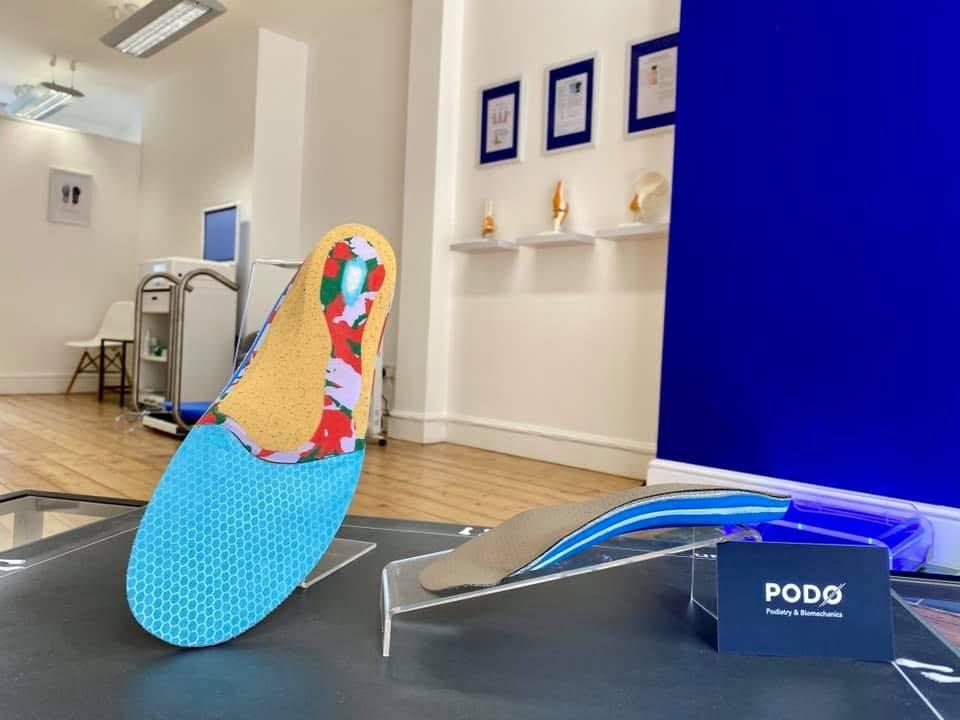
clinical assessment Holborn is often used to determine whether custom orthotics are needed. At PODO London, orthotics are prescribed based on individual biomechanical profiles. These devices help improve alignment, reduce pressure points, and support efficient movement patterns during daily activities.
Workplace Strain and Functional Movement Stress
clinical assessment Holborn also evaluates how occupational activities affect movement and posture. At PODO London, individuals who stand or walk for long periods are assessed for biomechanical strain. Identifying workplace-related dysfunction helps reduce discomfort and improve long-term physical wellbeing.
Long-Term Benefits of Clinical Assessment
clinical assessment Holborn provides long-term benefits by addressing the root causes of musculoskeletal dysfunction. At PODO London, treatment focuses on improving movement efficiency and correcting underlying biomechanical issues. This leads to lasting improvements in posture, mobility, and pain reduction.
Why Patients Choose Clinical Assessment in Holborn
clinical assessment Holborn is chosen by patients seeking accurate diagnosis and effective treatment for persistent pain. At PODO London, expert clinicians provide detailed evaluations that go beyond basic examination. This ensures personalised care and long-term improvement in musculoskeletal health.
Conclusion
clinical assessment Holborn is a comprehensive approach to diagnosing and treating movement-related pain and dysfunction. At PODO London, clinicians use advanced assessment techniques to identify biomechanical inefficiencies, correct alignment issues, and improve long-term mobility. By focusing on root-cause analysis rather than symptoms, patients achieve better outcomes, reduced pain, and improved quality of life across London.
Frequently Asked Questions
What is clinical assessment Holborn used for?
clinical assessment Holborn is used to diagnose the underlying causes of musculoskeletal pain and movement dysfunction. At PODO London, it involves a detailed evaluation of posture, gait, joint alignment, and load distribution. The aim is to understand why pain is occurring rather than just where it is felt. This helps clinicians identify root biomechanical issues and create targeted treatment plans that improve long-term mobility and reduce recurring symptoms.
Who should consider a clinical assessment Holborn?
clinical assessment Holborn is suitable for anyone experiencing persistent foot, knee, hip, or lower back pain. At PODO London, it is also recommended for individuals with recurring injuries or unexplained discomfort during walking or standing. Even people without severe pain may benefit, as early assessment can detect hidden biomechanical issues before they develop into more serious conditions requiring long-term treatment.
Can clinical assessment Holborn help with chronic pain?
clinical assessment Holborn is highly effective for investigating chronic pain conditions that have not improved with basic treatment. At PODO London, many long-term pain cases are linked to underlying movement dysfunction rather than a single injury. By identifying biomechanical imbalances, clinicians can address the true source of pain, leading to more sustainable and long-lasting relief.
Does clinical assessment Holborn include gait analysis?
clinical assessment Holborn often includes gait analysis as a key component of evaluation. At PODO London, clinicians observe walking patterns to assess stride, symmetry, and movement efficiency. This helps identify functional issues that may not be visible during a static examination. Gait analysis provides essential insights into how the body performs under real movement conditions.

 English
 Arabic
 French
 Spanish
 Portuguese
 Deutsch
 Turkish
 Dutch
Dutch
 Russian
 Romaian
 Portuguese (Brazil)
 Greek
Greek