


Scalp Micropigmentation for Alopecia: A Complete Guide
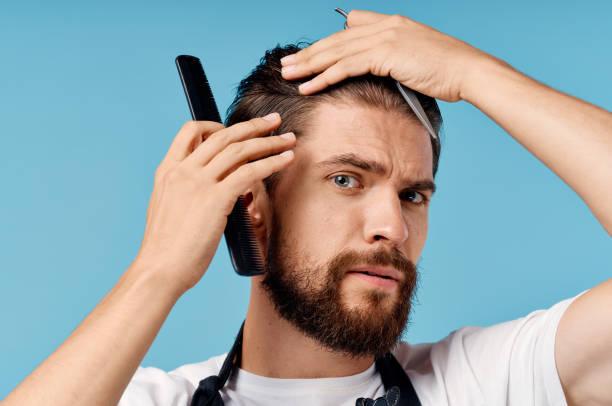
Alopecia can affect people of all ages and genders, often leading to noticeable hair loss that impacts confidence and self-esteem. While some treatments focus on encouraging hair growth, others are designed to improve the cosmetic appearance of the scalp. Scalp micropigmentation has become one of the most effective non-surgical options for individuals looking to restore the look of fuller hair without undergoing surgery.
If you're considering scalp micropigmentation near me, understanding how it can help people with alopecia is an important step. This advanced cosmetic procedure uses specialized pigments to replicate natural hair follicles, creating the illusion of greater hair density. Whether alopecia causes small patches of hair loss or widespread thinning, scalp micropigmentation offers a customized solution that blends naturally with your existing hair or shaved scalp.
What Is Alopecia?
Alopecia is a condition that causes partial or complete hair loss. It can affect the scalp, eyebrows, beard, and other areas of the body, with severity varying from person to person.
Common Types of Alopecia
- Alopecia areata.
- Androgenetic alopecia.
- Diffuse alopecia.
- Scarring alopecia.
- Total scalp hair loss.
A proper diagnosis from a healthcare professional helps determine the most appropriate treatment approach.
What Is Scalp Micropigmentation?
Scalp micropigmentation (SMP) is a non-surgical cosmetic procedure that places tiny pigment deposits into the upper layer of the scalp to imitate natural hair follicles.
Key Features
- Creates the appearance of thicker hair.
- Defines a realistic hairline.
- Camouflages bald patches.
- Blends with existing hair.
- Provides long-lasting cosmetic improvement.
The treatment focuses on enhancing appearance rather than stimulating new hair growth.
How Does SMP Help People with Alopecia?
Scalp micropigmentation is customized according to the pattern and severity of hair loss.
Benefits for Alopecia Patients
- Reduces the visibility of bald patches.
- Creates the illusion of greater hair density.
- Restores a more balanced scalp appearance.
- Enhances confidence and self-image.
- Produces natural-looking results.
The procedure is carefully tailored to each individual's scalp and hair characteristics.
Who Is an Ideal Candidate?
Many people living with alopecia may benefit from scalp micropigmentation.
Suitable Candidates Include
- Men with male pattern hair loss.
- Women experiencing diffuse thinning.
- Individuals with alopecia areata.
- People with stable hair loss.
- Those seeking a non-surgical cosmetic solution.
A consultation helps determine whether SMP is the right choice for your specific condition.
What Happens During the Procedure?
The treatment is performed using specialized equipment that deposits tiny pigment impressions into the scalp.
Treatment Steps
- Scalp assessment.
- Hairline planning.
- Pigment color selection.
- Careful application of pigments.
- Gradual density building over multiple sessions.
Each treatment plan is personalized to achieve the most realistic appearance.
Benefits of Scalp Micropigmentation for Alopecia
Many people choose SMP because it provides noticeable cosmetic improvement with minimal downtime.
Main Advantages
- Non-surgical procedure.
- Minimal recovery period.
- Natural-looking appearance.
- Suitable for different alopecia types.
- Long-lasting cosmetic enhancement.
- Low-maintenance solution.
These benefits make SMP a popular choice for people looking to improve the appearance of hair loss.
Recovery and Aftercare
Recovery following scalp micropigmentation is usually straightforward when aftercare instructions are followed.
Aftercare Tips
- Keep the scalp clean.
- Avoid excessive sun exposure.
- Refrain from scratching the treated area.
- Follow all specialist recommendations.
- Attend follow-up appointments if advised.
Proper aftercare supports better healing and long-lasting results.
What Results Can You Expect?
Scalp micropigmentation creates the visual effect of fuller hair rather than growing new hair.
Expected Results
- Improved scalp coverage.
- Less noticeable bald patches.
- Defined hairline.
- Greater appearance of hair density.
- Increased confidence.
Results become more refined as each treatment session is completed.
Why Choose Scalp Micropigmentation for Alopecia?
The popularity of Scalp Micropigmentation in Riyadh continues to grow because it provides an effective cosmetic solution for individuals with alopecia. Unlike treatments that focus on hair regrowth, SMP improves the appearance of the scalp immediately by replicating natural hair follicles. It can also be combined with other hair restoration approaches to enhance overall cosmetic results.
Final Thoughts
Living with alopecia can be challenging, but modern cosmetic treatments offer effective ways to improve appearance and confidence. Scalp Micropigmentation in Riyadh provides a safe, non-surgical option for camouflaging hair loss and creating the look of fuller, healthier hair. With personalized treatment and expert application, SMP can help individuals with alopecia achieve natural-looking, long-lasting results.
Book Your Appointment
If you're looking for a personalized solution for alopecia-related hair loss, schedule a consultation at Royal Clinic Saudia. Their experienced specialists use advanced scalp micropigmentation techniques to create natural-looking results tailored to your hair loss pattern and aesthetic goals.
FAQs:
Can Scalp Micropigmentation Help People with Alopecia?
Yes. Scalp micropigmentation can effectively reduce the appearance of hair loss caused by various forms of alopecia by creating the illusion of natural hair follicles.
Does Scalp Micropigmentation Treat Alopecia?
No. SMP is a cosmetic procedure that improves the appearance of hair loss but does not treat the underlying cause of alopecia or stimulate new hair growth.
Is Scalp Micropigmentation Suitable for Both Men and Women with Alopecia?
Yes. The procedure is suitable for both men and women experiencing different types of alopecia and can be customized to meet individual needs.
How Many Sessions Are Usually Needed for Alopecia?
The number of sessions varies depending on the extent of hair loss and the desired level of density. Your specialist will recommend a personalized treatment plan during your consultation.

 English
 Arabic
 French
 Spanish
 Portuguese
 Deutsch
 Turkish
 Dutch
Dutch
 Italiano
 Romaian
 Portuguese (Brazil)
 Greek
Greek