


Why Supreme Clothing Drops Sell Out in Seconds — The Psychology of Hype
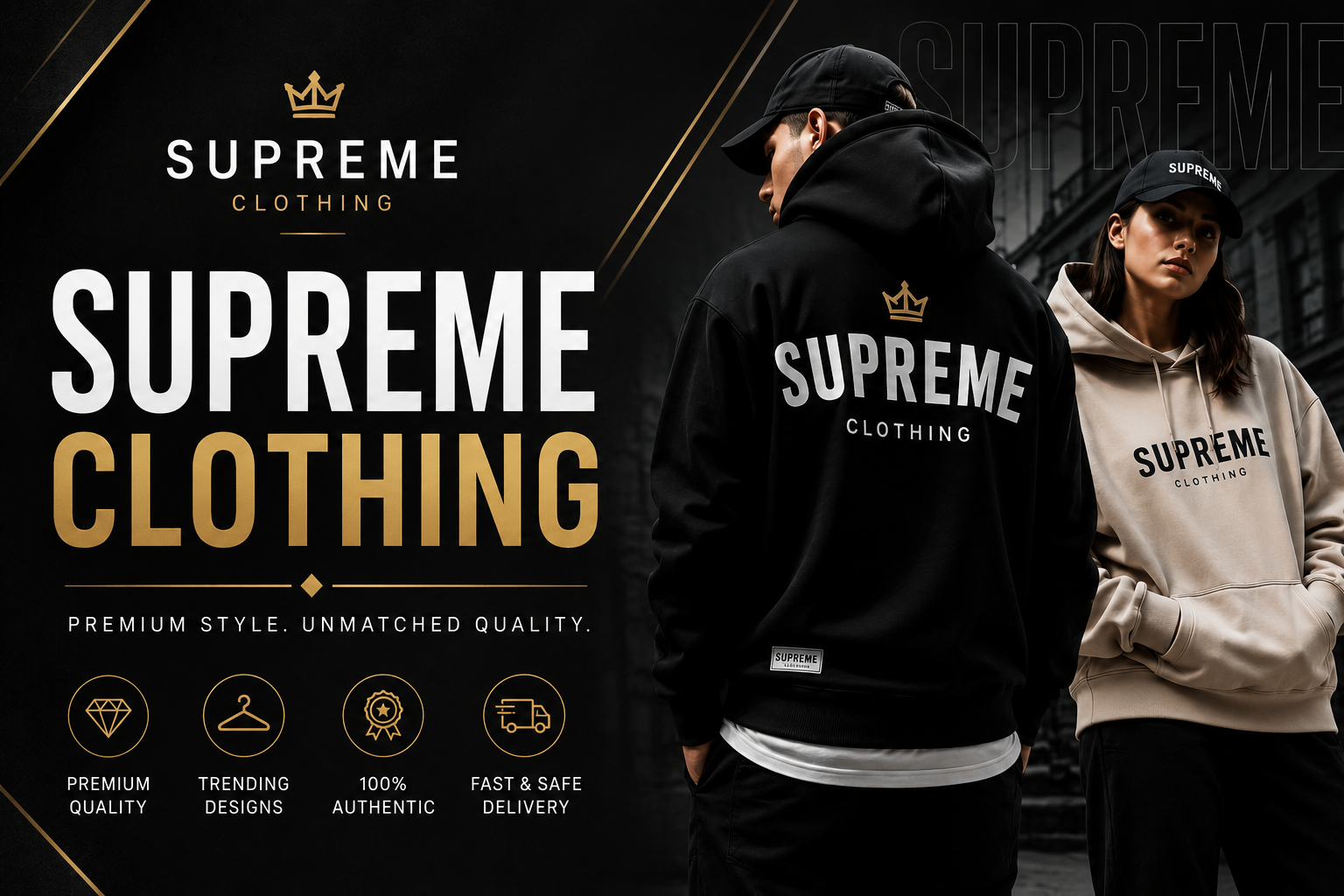
Supreme clothing drops sell out in seconds not because the brand makes more shirts than anyone else, but because it makes fewer, and understands exactly how the human brain reacts to that scarcity.
Understanding this phenomenon means looking past the fabric and stitching entirely. What's really being sold is a feeling — the rush of getting something almost nobody else can have.
The Scarcity Principle at the Core of Supreme's Strategy
Supreme has never tried to meet demand. If anything, it seems allergic to the idea. Every drop is intentionally undersupplied, which means the moment an item appears on the site, buyers know there's a real chance it'll be gone before they finish typing their card number.
Limited Runs Create Real Urgency
Unlike most retailers who scale production to match interest, https://jpsupremee.com/caps quantities on purpose. This isn't inefficiency — it's a business model. Scarcity isn't a side effect of the brand's growth; it's the engine driving it.
Restocks Are Rare by Design
Once an item sells out, it typically stays sold out. There's no "email me when back in stock" button offering false hope. That finality trains customers to act instantly rather than deliberate, because deliberation guarantees missing out.
FOMO: The Emotional Trigger Behind Every Drop
Fear of missing out isn't just a marketing buzzword here — it's the literal mechanism keeping thousands of people glued to their screens every Thursday. When something might disappear forever in under a minute, rational comparison shopping goes out the window.
Social Proof Amplifies the Panic
Watching friends, influencers, and strangers on forums flex their latest cop creates a feedback loop. Seeing others succeed where you might fail intensifies the urgency the next time around, turning a simple purchase into a competitive event.
The Countdown Clock Effect
Supreme drops happen at a fixed time each week, which sounds like it should reduce anxiety — but it does the opposite. Knowing exactly when the clock starts means adrenaline builds in real time, and that physiological state pushes people toward impulsive decisions rather than careful ones.
Exclusivity as Identity, Not Just Fashion
Wearing jpsupremee.com isn't really about the hoodie. It's a signal — proof that you were fast enough, connected enough, or lucky enough to get in before the drop vanished. That signal carries social currency in a way that mass-market clothing simply can't replicate.
Belonging to an Insider Culture
Streetwear culture thrives on insider knowledge: knowing which resell sites to trust, which bots actually work, which colorways will spike in value. Owning a piece from a sold-out drop places someone inside that circle, and humans are wired to chase belonging.
Resale Value Reinforces the Hype Loop
When a $148 jacket resells for $600 within hours, that price jump becomes its own marketing tool. People aren't just buying clothing anymore — they're buying into a market, and markets reward speed and conviction.
The Role of Controlled Marketing and Silence
Supreme rarely explains itself. There's no lengthy product description, no influencer unboxing campaign, no traditional advertising pushing the drop. That silence is deliberate, and it works because absence of information creates curiosity, and curiosity drives action.
Minimal Communication Builds Mystery
Where other brands overexplain, Supreme lets the product — and the wait — speak for itself. People fill the silence with anticipation, which turns out to be far more persuasive than any ad copy could be.
Collaboration Drops Multiply the Frenzy
Partnerships with names like Louis Vuitton, Nike, or The North Face stack two fanbases' worth of anxiety and desire into a single release, virtually guaranteeing a sellout before most people even load the page.
What Brands (and Shoppers) Can Learn From This
The psychology driving Supreme's success isn't unique to streetwear. Scarcity, social proof, and urgency are timeless behavioral triggers that any brand can apply — though few do it with this level of discipline. For shoppers, recognizing these tactics doesn't make the hoodie any less cool, but it does explain why your thumb was moving faster than your brain the last time you tried to cop a drop.
Next time a countdown timer starts ticking, pay attention to what your body does before your mind even decides. That reaction is exactly what brands like Supreme are counting on — and now you know why.
If you're curious how these same psychological triggers show up in other industries, from sneaker culture to limited-edition tech launches, it's worth digging into the broader science of scarcity marketing next.

 English
 Arabic
 French
 Portuguese
 Deutsch
 Turkish
 Dutch
Dutch
 Italiano
 Russian
 Romaian
 Portuguese (Brazil)
 Greek
Greek