A Wi-Fi access point (AP) device is a networking solution that allows wireless devices to connect to a wired network, providing fast, secure, and reliable internet access. As businesses increasingly depend on cloud applications, video conferencing, IoT devices, and mobile workforces, the demand for high-performance wireless networking has grown significantly. A Wi-Fi access point extends wireless coverage, improves network capacity, and delivers seamless connectivity across offices, campuses, retail stores, hospitals, hotels, educational institutions, warehouses, and industrial facilities.
Unlike a traditional wireless router, which is primarily designed for homes and small offices, a Wi-Fi access point is built to support a greater number of users and connected devices. It connects to an existing network through an Ethernet cable and broadcasts a strong Wi-Fi signal, enabling users to access the internet and business resources without interruption. Multiple access points can be deployed throughout a building to create a unified wireless network, eliminating dead zones and ensuring consistent coverage across every floor or department.
One of the key advantages of a Wi-Fi access point device is its ability to deliver high-speed wireless performance. Modern access points support advanced wireless standards such as Wi-Fi 6 and Wi-Fi 6E, offering higher data transfer speeds, lower latency, and increased network efficiency. These technologies are designed to handle crowded environments where many devices are connected simultaneously. Employees can participate in video meetings, transfer large files, access cloud-based applications, and communicate through VoIP services without experiencing network slowdowns.
Coverage is another important benefit of Wi-Fi access points. In large office buildings, shopping malls, schools, hospitals, and hotels, a single wireless router often cannot provide adequate signal strength throughout the entire property. Installing multiple access points strategically creates complete wireless coverage, allowing users to move freely between different areas while maintaining a stable connection. This seamless roaming capability ensures uninterrupted productivity and a better user experience.
Security plays a vital role in modern wireless networking, and enterprise Wi-Fi access points are equipped with advanced protection features. They support WPA3 encryption, secure authentication methods, guest network isolation, VLAN segmentation, and role-based access controls. PoE switch These security measures help protect confidential business information, prevent unauthorized access, and reduce cybersecurity risks. Many enterprise-grade access points also integrate with centralized security platforms, making it easier to enforce consistent security policies across all locations.
Centralized management is another major advantage of Wi-Fi access point devices. Cloud-managed or controller-based solutions allow IT administrators to configure, monitor, and troubleshoot multiple access points from a single dashboard. Network settings, firmware updates, user access policies, and performance monitoring can all be managed remotely. This simplifies network administration, reduces maintenance costs, and enables faster deployment of new wireless infrastructure.
Wi-Fi access points also include intelligent traffic management features that improve overall network performance. Quality of Service (QoS) prioritizes critical business applications such as video conferencing, cloud software, and voice communications over less important traffic. Load balancing distributes connected users across multiple access points to prevent network congestion, while band steering automatically directs compatible devices to the most efficient wireless frequency. These features help maintain consistent performance even during peak usage periods.
Scalability makes Wi-Fi access points an ideal choice for growing businesses. Organizations can easily expand their wireless network by adding additional access points without redesigning the entire infrastructure. Whether a company operates a single office or multiple branch locations, enterprise Wi-Fi solutions can scale to support hundreds or even thousands of connected devices while maintaining reliable performance.
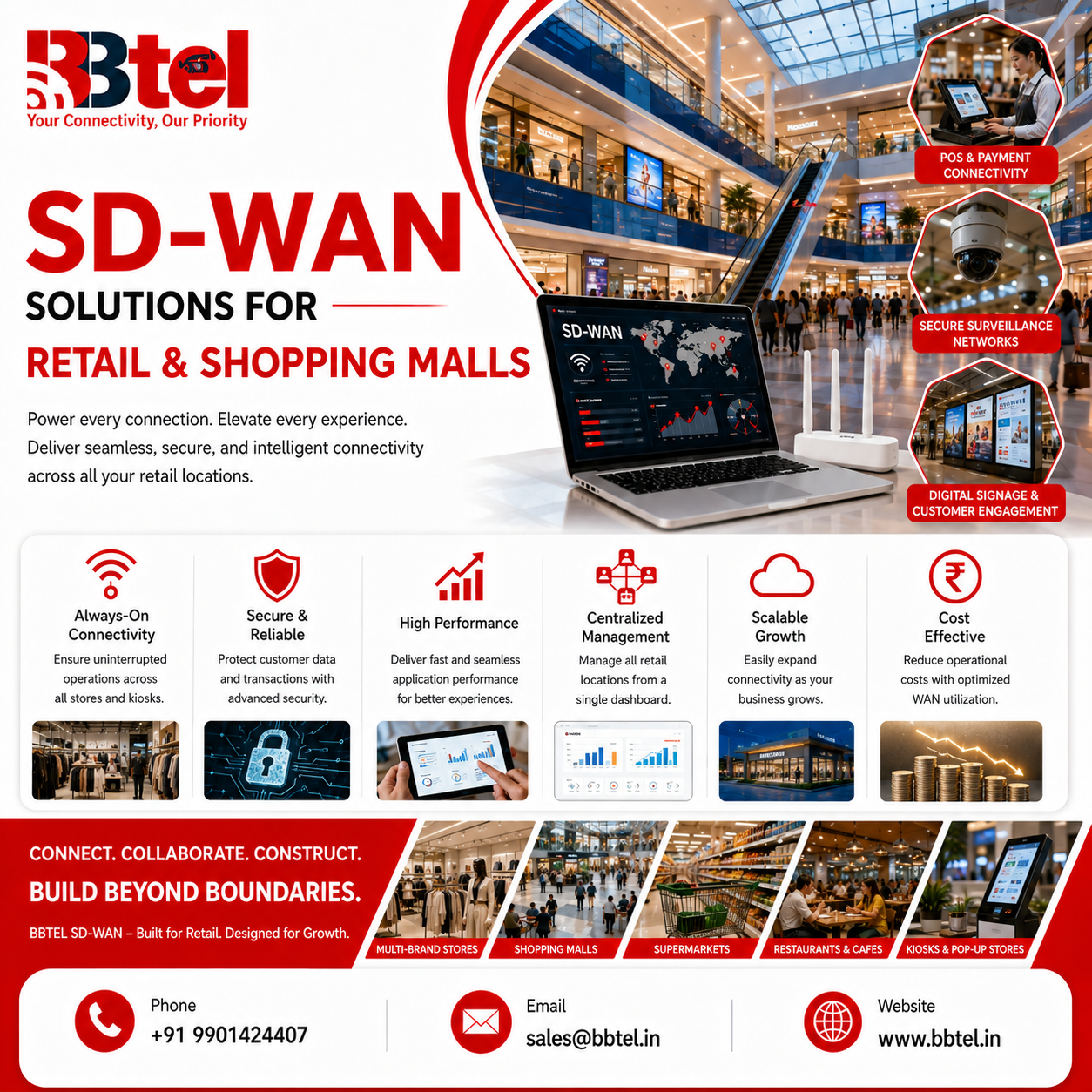
Wi-Fi access point devices are widely used across various industries. Educational institutions use them to support digital classrooms, online learning platforms, and student devices. Healthcare organizations rely on secure wireless networks for electronic medical records, telemedicine, and connected medical equipment. Retail businesses use Wi-Fi for inventory management, billing systems, customer engagement, and digital payment solutions. Manufacturing companies connect industrial automation systems and IoT sensors, while hospitality businesses provide secure internet access to guests and staff.
Many modern Wi-Fi access points support Power over Ethernet (PoE), allowing both power and data to be delivered through a single Ethernet cable. This simplifies installation, reduces cabling costs, and provides greater flexibility when mounting devices on ceilings or walls. Advanced models also include mesh networking capabilities, ensuring uninterrupted connectivity even if one access point becomes unavailable.
In today's digital workplace, dependable wireless connectivity is essential for productivity and business growth. A Wi-Fi access point device provides the speed, coverage, security, and scalability needed to support modern operations. By investing in enterprise-grade Wi-Fi access points, businesses can build a future-ready wireless infrastructure that enhances employee collaboration, supports cloud applications, improves customer experiences, and ensures reliable connectivity across the entire organization.




 English
 Arabic
 French
 Spanish
 Deutsch
 Turkish
 Dutch
Dutch
 Italiano
 Russian
 Romaian
 Portuguese (Brazil)
 Greek
Greek