Varicose veins are a common vascular condition that can cause discomfort, swelling, heaviness, and visible enlarged veins in the legs. Thanks to modern medical advancements, minimally invasive procedures such as Radiofrequency Ablation (RFA) and Laser Vein Treatment have become highly effective alternatives to traditional surgery. Understanding the differences between these treatments can help patients choose the option that best suits their needs.
If you are considering Treatment of varicose veins in Riyadh (دوالي الساقين في الرياض), learning how Radiofrequency Ablation and Laser Vein Treatment compare can help you make an informed decision. Both procedures are designed to improve blood circulation, relieve symptoms, and promote healthier veins with minimal downtime.
What Are Varicose Veins?
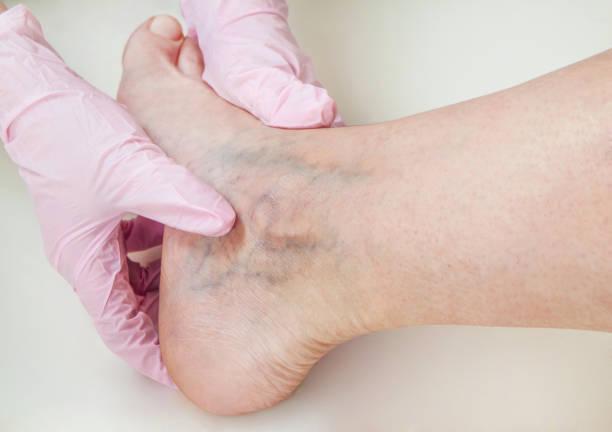
Varicose veins develop when the valves inside the veins weaken or become damaged. As a result, blood flows backward and collects inside the veins, causing them to enlarge and become visible beneath the skin.
Common symptoms include:
- Enlarged blue or purple veins.
- Leg heaviness and fatigue.
- Aching or throbbing pain.
- Swelling around the ankles.
- Muscle cramps and itching.
What Is Radiofrequency Ablation (RFA)?
Radiofrequency Ablation is a minimally invasive procedure that uses controlled radiofrequency energy to heat and close damaged veins. Once the affected vein is sealed, blood is naturally redirected to healthy veins.
Benefits of Radiofrequency Ablation
- Minimally invasive procedure.
- Small incision with little scarring.
- Comfortable treatment using local anesthesia.
- Quick recovery.
- Effective relief from symptoms.
What Is Laser Vein Treatment?
Laser Vein Treatment, also known as Endovenous Laser Therapy (EVLT), uses laser energy delivered through a thin fiber to seal the damaged vein. The body gradually absorbs the closed vein while circulation improves through nearby healthy veins.
Benefits of Laser Vein Treatment
- Minimally invasive technique.
- Short treatment time.
- Improved blood circulation.
- Minimal disruption to daily activities.
- Long-lasting results for many patients.
Radiofrequency Ablation vs Laser Vein Treatment
Although both treatments are highly effective, they differ slightly in the way they work.
Treatment Method
- Radiofrequency Ablation: Uses radiofrequency-generated heat to close the vein.
- Laser Vein Treatment: Uses laser energy to seal the affected vein.
Comfort During the Procedure
Both procedures are performed under local anesthesia and are generally well tolerated. Many patients experience only mild discomfort during treatment.
Recovery Time
Recovery for both treatments is typically quick, with most individuals returning to normal daily activities within a short period.
Effectiveness
Both RFA and laser treatment have high success rates in treating varicose veins and improving blood circulation.
Suitability
The most appropriate treatment depends on factors such as:
- Size of the affected veins.
- Vein location.
- Overall vein health.
- Individual medical history.
Who Is a Good Candidate?
A vein specialist may recommend either treatment for individuals experiencing:
Persistent Leg Pain
Aching, heaviness, or burning sensations that interfere with daily life.
Visible Enlarged Veins
Bulging veins that continue to increase in size or become more noticeable.
Swelling
Repeated swelling around the ankles or lower legs caused by poor circulation.
Skin Changes
Discoloration, itching, or thickened skin associated with chronic vein disease.
Symptoms Affecting Daily Activities
Leg discomfort that limits walking, standing, exercise, or work.
What Happens During the Procedure?
Both treatments are usually performed in an outpatient setting.
Initial Consultation
Your specialist will review your symptoms, medical history, and perform an ultrasound examination.
Personalized Treatment Planning
The most suitable treatment is selected based on the severity and location of the affected veins.
Procedure
A thin catheter is inserted into the vein under ultrasound guidance. Heat energy—either radiofrequency or laser—is applied to close the damaged vein.
Recovery
Patients are usually encouraged to walk soon after the procedure and follow post-treatment care instructions for optimal healing.
Maintaining Healthy Veins After Treatment
Healthy lifestyle habits help support long-term results.
Stay Physically Active
Regular walking improves blood circulation and strengthens the muscles that assist healthy veins.
Maintain a Healthy Weight
Reducing excess body weight decreases pressure on the leg veins.
Avoid Prolonged Sitting or Standing
Changing positions frequently promotes better circulation.
Wear Compression Stockings if Recommended
Compression stockings may support healing and reduce swelling during recovery.
Conclusion
Both Radiofrequency Ablation and Laser Vein Treatment are proven, minimally invasive solutions for managing varicose veins. Each procedure offers excellent symptom relief, improved circulation, and a relatively quick recovery. The right choice depends on your individual condition, vein anatomy, and the recommendation of a qualified specialist. If you are exploring Treatment of varicose veins in Riyadh, consulting an experienced vascular expert can help determine which procedure is best suited to your needs.
Book Your Appointment
If you are looking for expert care for varicose veins, schedule a consultation at Royal Clinic Saudia. Our experienced specialists provide comprehensive vein evaluations and personalized treatment plans using advanced minimally invasive techniques to help restore healthy circulation and improve your quality of life.
FAQs:
Which is better, Radiofrequency Ablation or Laser Vein Treatment?
Both treatments are highly effective. The best option depends on your vein condition, symptoms, and the recommendation of your vascular specialist.
Is Radiofrequency Ablation more comfortable than laser treatment?
Both procedures are performed under local anesthesia and are generally well tolerated. Individual experiences may vary.
How long is the recovery after either procedure?
Most patients return to normal daily activities within a short period, although recovery recommendations may differ based on individual circumstances.
Can varicose veins return after treatment?
Treated veins typically do not reopen, but new varicose veins can develop over time. Maintaining a healthy lifestyle and attending follow-up appointments can help support long-term vein health.




 English
 Arabic
 French
 Spanish
 Portuguese
 Turkish
 Dutch
Dutch
 Italiano
 Russian
 Romaian
 Portuguese (Brazil)
 Greek
Greek