


What Is Fiberglass? Uses, Benefits & Safety Guide
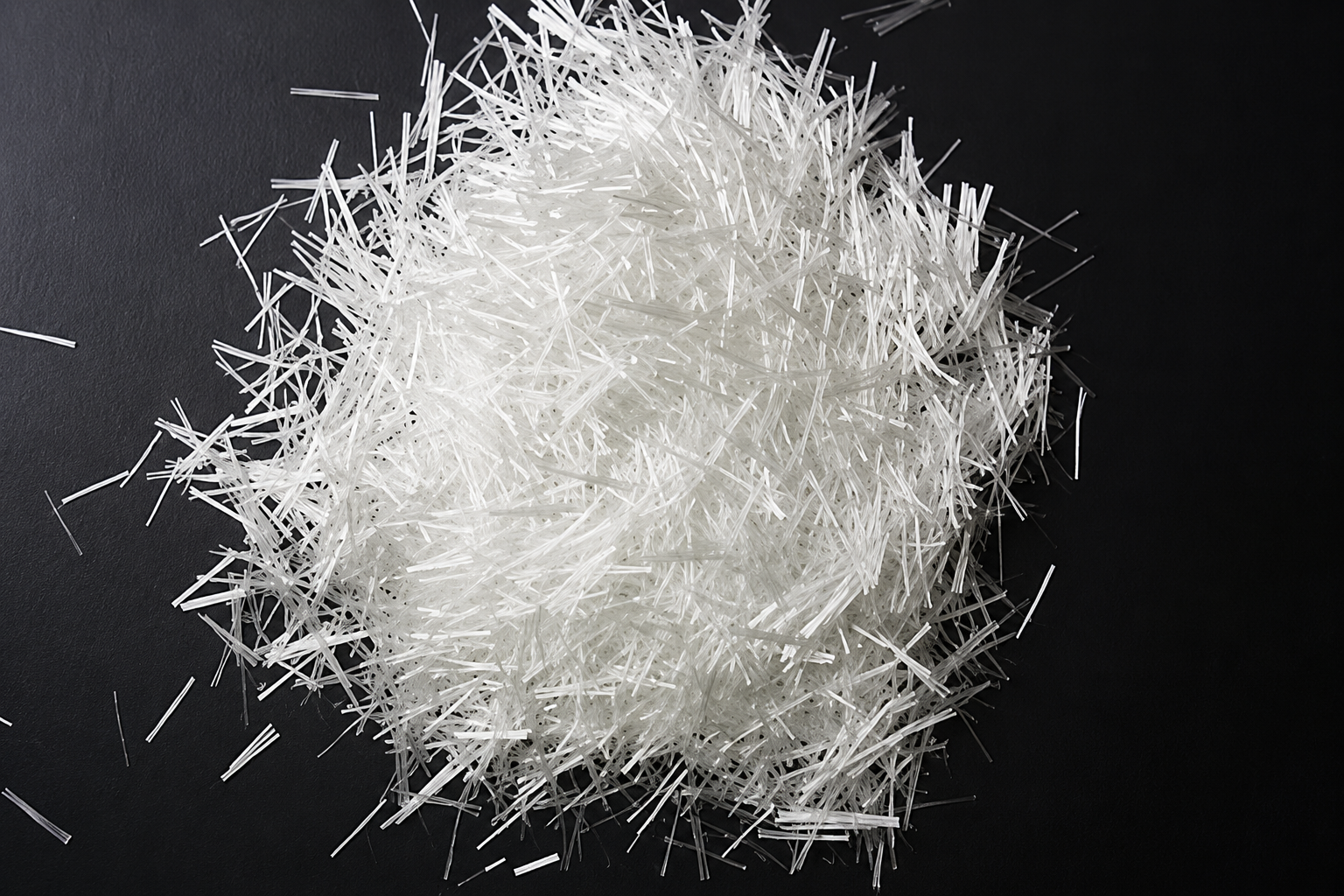
Fiberglass is one of the most versatile and widely used composite materials in the modern world. It is valued for its strength, lightweight nature, durability, and resistance to corrosion. From construction and automotive manufacturing to boats, wind turbines, and insulation, fiberglass plays an important role in countless industries. Many people ask, what is fiberglass, because they encounter it in homes, workplaces, and industrial products without fully understanding what it is or how it works. Fiberglass is made by weaving or arranging extremely fine strands of glass into a reinforced material, often combined with resin to create a strong and durable composite. This article explains what fiberglass is, how it is manufactured, its properties, applications, advantages, disadvantages, safety considerations, and future developments.
What Is Fiberglass?
Fiberglass is a reinforced plastic material made by combining tiny glass fibers with a polymer resin. The glass fibers provide strength and stiffness, while the resin binds them together and gives the material its shape. This combination creates a lightweight yet extremely durable material that can withstand harsh environmental conditions. Fiberglass is available in many forms, including sheets, mats, fabrics, rods, and molded components, making it suitable for a wide range of industrial and commercial applications. Its ability to resist moisture, chemicals, and corrosion has made it one of the most popular engineering materials worldwide.
How Is Fiberglass Made?
The manufacturing process of fiberglass begins by melting raw materials such as silica sand, limestone, soda ash, and other minerals at very high temperatures. The molten glass is then forced through tiny holes to produce extremely fine glass filaments. These fibers are cooled quickly and coated with a protective chemical finish that improves bonding with resin. The fibers may then be woven into cloth, formed into mats, or chopped into short strands depending on their intended application. Finally, the glass fibers are combined with polyester, epoxy, or vinyl ester resin to create strong composite products that can be molded into various shapes.
Main Components of Fiberglass
Fiberglass mainly consists of two essential components: glass fibers and resin. The glass fibers provide mechanical strength, flexibility, and impact resistance, while the resin acts as the binding agent that holds the fibers together. Different types of resins offer varying levels of chemical resistance, heat tolerance, and durability. Additional fillers, pigments, and additives may also be included to improve fire resistance, UV protection, or appearance depending on the intended use of the fiberglass product.
Types of Fiberglass
There are several types of fiberglass designed for different applications. E-glass is the most commonly used type because it offers excellent electrical insulation and mechanical strength. S-glass provides higher strength and is often used in aerospace and military equipment. C-glass is known for its chemical resistance and is commonly used in environments exposed to corrosive substances. Other specialized types include A-glass, D-glass, and AR-glass, each developed to meet specific industrial requirements. Choosing the right type depends on factors such as strength, durability, environmental exposure, and cost.
Properties of Fiberglass
Fiberglass possesses several outstanding properties that make it suitable for demanding applications. It is lightweight, allowing manufacturers to reduce overall product weight without sacrificing strength. It also offers excellent corrosion resistance, making it ideal for marine and chemical environments. Fiberglass does not rust like steel, resists moisture, and provides good electrical insulation. Additionally, it has high tensile strength, dimensional stability, and low thermal conductivity. These characteristics contribute to its widespread use across multiple industries.
Common Uses of Fiberglass
Fiberglass is used in numerous industries because of its versatility and durability. In construction, it is commonly used for roofing panels, insulation, doors, windows, pipes, and storage tanks. The automotive industry uses fiberglass for body panels, hoods, bumpers, and custom vehicle parts due to its lightweight properties. Marine manufacturers rely on fiberglass to build boats, yachts, and watercraft because it resists water damage and corrosion. It is also found in wind turbine blades, sporting goods, aircraft components, electrical equipment, and industrial machinery.
Fiberglass in Construction
The construction industry is one of the largest consumers of fiberglass materials. Fiberglass insulation helps improve energy efficiency by reducing heat transfer between indoor and outdoor environments. Reinforced fiberglass panels are used for roofing, wall coverings, and structural applications because they are lightweight and resistant to weather damage. Fiberglass rebar is increasingly replacing traditional steel reinforcement in concrete structures because it does not corrode, extending the lifespan of bridges, highways, and buildings.
Fiberglass in the Automotive Industry
Automobile manufacturers use fiberglass to produce lightweight vehicle components that improve fuel efficiency and performance. Sports cars, racing vehicles, and custom automobiles often feature fiberglass body panels because they are easier to shape into aerodynamic designs. Fiberglass also resists rust and corrosion better than metal, reducing maintenance costs and extending vehicle life. Its combination of strength and flexibility makes it an ideal material for many automotive applications.
Fiberglass in Marine Applications
Boat manufacturers have relied on fiberglass for decades due to its outstanding resistance to water, salt, and harsh weather conditions. Fiberglass boats require less maintenance than wooden or steel vessels because they do not rot or rust. The material also allows manufacturers to produce complex hull shapes that improve performance and stability. In addition to boats, fiberglass is used for docks, marine storage tanks, and offshore equipment where corrosion resistance is essential.
Advantages of Fiberglass
Fiberglass offers numerous advantages that explain its popularity across industries. It is lightweight yet extremely strong, making transportation and installation easier. Its corrosion resistance allows it to perform well in marine and chemical environments. Fiberglass also provides excellent electrical insulation, making it suitable for electrical equipment. It requires minimal maintenance, has a long service life, and can be molded into almost any shape. Furthermore, fiberglass is cost-effective compared to many advanced composite materials while still delivering reliable performance.
Disadvantages of Fiberglass
Despite its many benefits, fiberglass has certain limitations. The material can become brittle under severe impact, leading to cracks or fractures. Manufacturing fiberglass products requires specialized equipment and skilled labor. Repairing damaged fiberglass may also require specific techniques and materials. During cutting, sanding, or drilling, tiny glass fibers can become airborne and irritate the skin, eyes, and respiratory system if proper protective equipment is not used. Understanding these limitations helps ensure safe and effective use.
Is Fiberglass Safe?
Fiberglass is generally safe when used correctly, but handling raw fiberglass materials requires proper precautions. Tiny glass fibers can cause temporary skin irritation, itching, and redness after direct contact. Airborne fibers may also irritate the eyes, nose, and lungs if inhaled. Workers should wear gloves, safety goggles, long sleeves, and respiratory protection when cutting or sanding fiberglass. Following workplace safety guidelines significantly reduces health risks and ensures safe handling.
How to Maintain Fiberglass Products
Proper maintenance extends the lifespan of fiberglass products. Regular cleaning with mild soap and water removes dirt, salt, and debris without damaging the surface. Protective wax coatings can help preserve the finish of boats and vehicles. Small cracks should be repaired promptly using fiberglass repair kits to prevent further damage. Avoid exposing fiberglass to prolonged UV radiation without protective coatings, as sunlight may gradually degrade certain resin systems over time.
Environmental Impact of Fiberglass
Fiberglass is durable and long-lasting, which reduces the need for frequent replacement. However, recycling fiberglass remains more challenging than recycling metals because of its composite structure. Researchers continue developing improved recycling methods that recover glass fibers and resin materials for reuse. Manufacturers are also exploring bio-based resins and environmentally friendly production techniques to reduce the environmental footprint of fiberglass manufacturing.
Future of Fiberglass Technology
The future of fiberglass looks promising as industries demand stronger, lighter, and more sustainable materials. Advances in resin chemistry, manufacturing techniques, and fiber technology continue to improve fiberglass performance. Engineers are developing smarter composites with enhanced durability, fire resistance, and recyclability. As renewable energy, electric vehicles, and modern infrastructure continue to grow, fiberglass will remain a critical material supporting innovation across multiple industries.
Conclusion
Understanding what is fiberglass helps explain why it has become one of the world's most important engineering materials. Fiberglass combines fine glass fibers with strong resin to create a lightweight, durable, and corrosion-resistant composite used in construction, transportation, marine applications, electrical systems, and many other industries. Its excellent strength, versatility, and cost-effectiveness make it an ideal choice for countless products. Although proper safety precautions should be followed when handling raw fiberglass materials, the finished products offer long-lasting performance and reliability. As technology advances, fiberglass will continue to play a significant role in building safer, stronger, and more efficient products for the future.

 English
 Arabic
 French
 Spanish
 Portuguese
 Deutsch
 Turkish
 Dutch
Dutch
 Italiano
 Romaian
 Portuguese (Brazil)
 Greek
Greek