


Best Materials for Custom Apparel Boxes
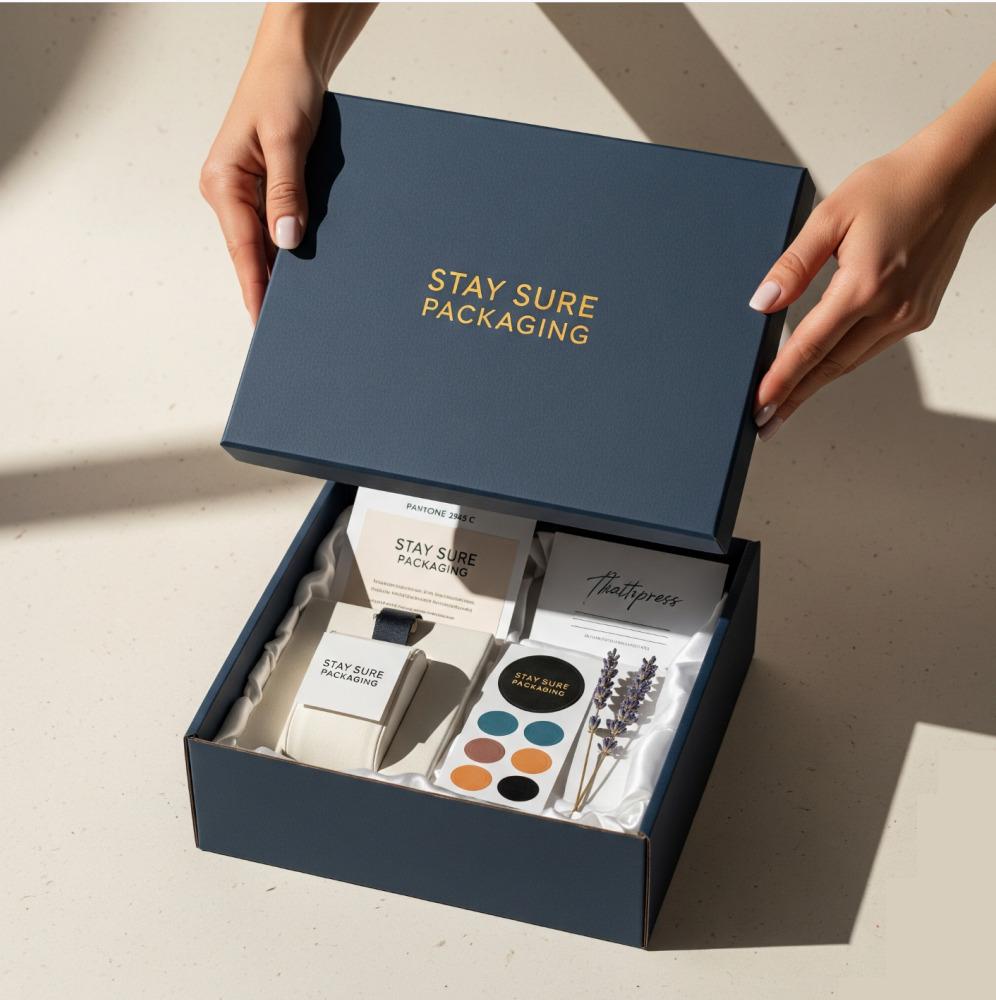
Choosing the right material for apparel boxes affects not just looks, but how the brand feels to customers. The wrong box can dull a great product. The right one can elevate a simple tee into a memorable unboxing moment. Material choice matters at every step, from shipping to shelf appeal.
Think about how the box will travel, what the print will look like, and how sustainable the option is. A thoughtful choice helps protect garments and supports the brand story. It all starts with understanding options and trade-offs.
Why material choice matters for custom apparel boxes
Premium apparel boxes Materials set the stage for durability, brand perception, and unboxing joy. They influence cost, shipping safety, and how colors strike the eye. This guide breaks down what to weigh when selecting materials for apparel packaging.
First, match the box to the product. A lightweight tee calls for a different setup than a heavy hoodie. The goal is to protect, present, and persuade without overcomplicating production.
Key factors to consider when selecting materials
Cost and sustainability balance
Costs vary with fiber content, coatings, and printing. Aim for a balance that fits your budget while meeting sustainability targets. Small changes, like choosing recycled content or a simpler print, can trim expenses without hurting impact.
Brand experience and unboxing impact
The texture, color, and weight of a box shape the first impression. A tactile finish or premium board can make the product feel worth the price. Designers often use color and typography to guide the eye and set expectations.
Durability during shipping and handling
Boxes must withstand stacking, pressure, and potential moisture exposure. Corrugated boards add strength, while inserts or sleeves reduce movement. For higher-value items, thicker boards or rigid structures may be worth it.
Print quality and color fidelity
Choose substrates that hold print well. Some materials pair better with spot colors, others with full-color graphics. It helps to request proofs early to avoid surprises on press.
Moisture resistance and protection
Moisture can ruin prints and warp materials. Laminates or coatings improve resistance. If you expect damp environments, select trays or inserts that keep garments away from moisture.
Common box materials and their pros and cons
White corrugated cardboard
Strong, versatile, and budget-friendly. It travels well and accepts many finishing options. Color fidelity can be high with proper printing, but white surfaces may require additional prep for vibrant hues.
Kraft corrugated board
Warm, natural look that suits eco brands. It hides some printer imperfections and pairs nicely with brown-toned inks. It’s sturdy for shipping, though lighter prints may require extra finishing to pop.
Folding carton boards (chipboard)
Cost-efficient and easy to print. Great for retail packaging that sits on shelves. Not as strong as corrugated for shipping, so use with inserts or internal protection when needed.
Corrugated mailers vs retail boxes
Mailers are built for protection during transit and can be compact. Retail boxes prioritize shelf presence and feel premium. Many brands use mailers for e-commerce and convert to retail boxes for stores.
Rigid (book) boards for premium packaging
Heavy, rigid, and luxurious. They create a high-end impression but come with higher cost and production complexity. Ideal for premium apparel lines and special editions.
Finishing options that influence material performance
Coatings and laminates
A coating can guard against scuffs and moisture. It also affects sheen and texture. Matte coatings give a soft look; gloss can brighten colors.
Matte vs glossy finishes
Matte feels refined and reduces glare. Gloss makes colors punchier and prints sharper in bright light. Choose based on branding and the garment’s color palette.
Spot UV and embossing
Spot UV highlights logos or key graphics. Embossing adds a tactile layer that draws attention. Both can elevate perceived value without a heavy material change.
Foil stamping and metallics
Gold, silver, or copper accents add luxury. They catch light and create a premium vibe. Use sparingly to keep costs in check.
Soft-touch and silky finishes
These finishes feel luxurious in the hand, inviting customers to unwrap slowly. They pair well with premium garments and smaller accessories.
Sustainable and eco-friendly material choices
Recycled content and FSC certification
Recycled content reduces virgin fiber use. FSC certification helps confirm sustainable sourcing. It’s also a signal to customers that you care about more than just profits.
Post-consumer waste vs pre-consumer waste
Post-consumer waste originates after consumer use. Pre-consumer waste comes from manufacturing offcuts. Both reduce raw material demand if managed well.
Plant-based inks and coatings
Inks and coatings derived from plants cut down on petroleum-based solvents. They can improve eco-credibility and appeal to green-minded shoppers.
Aesthetics and brand alignment
Color management on different substrates
Colors shift on kraft, white, or colored boards. Work with printers on proofing to keep hues true. Consistency matters for a cohesive brand look.
Texture and tactile design considerations
Texture invites touch. Corrugated surfaces offer inherent texture; add soft-touch coatings for a layered feel. The goal is to make the unboxing memorable.
Visual hierarchy with typography and graphics
Lead with a strong logo, then secondary graphics. Use readable type and clear labels. A simple palette often performs best on retail shelves and online photos.
Practical design tips for different product types
Lightweight tees and accessories
Use slim sleeves and snug interiors. A simple wrap or sleeve can protect while keeping costs low. Consider a punch-out for easy size checks without opening fully.
Hoodies and heavier garments
Higher weight boxes with inserts help maintain shape. Internal tissue or divider panels reduce shifting and wrinkles. Stronger cartons prevent crushing during handling.
Accessories and add-ons
Small items benefit from compartments or pouches. Printed inserts guide the consumer and reduce the chance of misplacement.
Cost-effective strategies for small brands
Standard sizes and dieline optimization
Use common sizes to keep tooling simple and cheaper. Dieline optimization reduces waste and speeds production. A few well-chosen sizes cover most products.
Hybrid material solutions
Mix materials to balance look, feel, and cost. A rigid lid with a folding base can mimic luxury at a lower price point. Details like inserts can be added later.
Sampling and prototyping workflow
Prototype early and test print a few iterations. Check weight, fit, and print fidelity. Small experiments save big money later on.
Case studies: successful material choices in apparel packaging
Case study 1: Premium luxury tee line
A soft-touch matte finish on white corrugated with subtle foil accents created a premium feel. The box with a clean logo and generous inner collar support protected delicate seams during transit.
Case study 2: Sustainable athleisure brand
Kraft corrugated with water-based inks and FSC-certified materials. The earthy look matched the product story, while post-consumer waste packaging reduced environmental footprint.
Case study 3: Fast-fashion append packaging
Lightweight chipboard with vibrant full-color printing and a gloss coating. The design captured quick-turn fashion cycles and kept costs predictable.
Compliance and regulatory considerations
Safety standards for packaging
Choose materials that meet basic safety guidelines for toys or apparel accessories. Avoid sharp edges and ensure labeling is legible.
Labeling requirements and information placement
Place care directions, size info, and country of origin where users expect them. Clear labeling helps customers and inspectors alike.
Supplier selection and collaboration
How to evaluate material suppliers
Ask about sustainability credentials, lead times, and ability to provide proofs. Reputable partners will offer material specs and testing plans upfront.
Request for samples and testing plans
Always request samples. Test for print fidelity, color consistency, and moisture resistance. A structured plan reduces surprises down the line.
Quality assurance and testing procedures
Drop tests, compression tests, and moisture exposure
Run basic tests to simulate transit. Check for crushing, delamination, and moisture damage. Document results for future batches.
Print durability and color consistency checks
Verify that colors stay true after handling and exposure to light. Keep a small color reference panel for quick checks on production days.
Wrap-up: Making a material choice that supports brand and margins
Choose a material that reflects your brand story and fits your budget. A well-chosen box can boost perceived value and reduce returns from damaged packaging. The right mix of durability, print quality, and sustainability often leads to happier customers and steadier margins.
Quick-reference checklist for choosing apparel box materials
- Define product weight and fragility
- Set a target sustainability footprint
- Plan for print fidelity on your substrate
- Choose a finishing that matches your brand voice
- Assess moisture exposure risk and add protection if needed
- Compare standard vs premium material options
- Request proofs and samples before full production
FAQs
What material works best for lightweight tees?
Corrugated or folding carton boards with a simple print and a soft-touch finish offer protection, good print quality, and a lean cost. Inserts can keep tees neat without adding bulk.
How do I know if a box is truly sustainable?
Look for recycled content and FSC certification. Check if inks and coatings are plant-based or low-VOC. Ask suppliers for third-party verification.
Can I mix materials to cut costs?
Yes. A hybrid approach can balance look and price. Use a sturdy lid or rigid base with a lighter folding carton for the body to save on material costs.
What about color accuracy across different substrates?
Proofing on the actual substrate is essential. Colors can shift between white, kraft, and colored boards, so test prints on each material you plan to use.
How do I test packaging quality before large runs?
Run a small pilot with drop tests, compression tests, and moisture exposure checks. Include print durability checks and color consistency reviews in the pilot.

 English
 French
 Spanish
 Portuguese
 Deutsch
 Turkish
 Dutch
Dutch
 Italiano
 Russian
 Romaian
 Portuguese (Brazil)
 Greek
Greek