


EPR Registration in India: A Practical Guide for Responsible Businesses
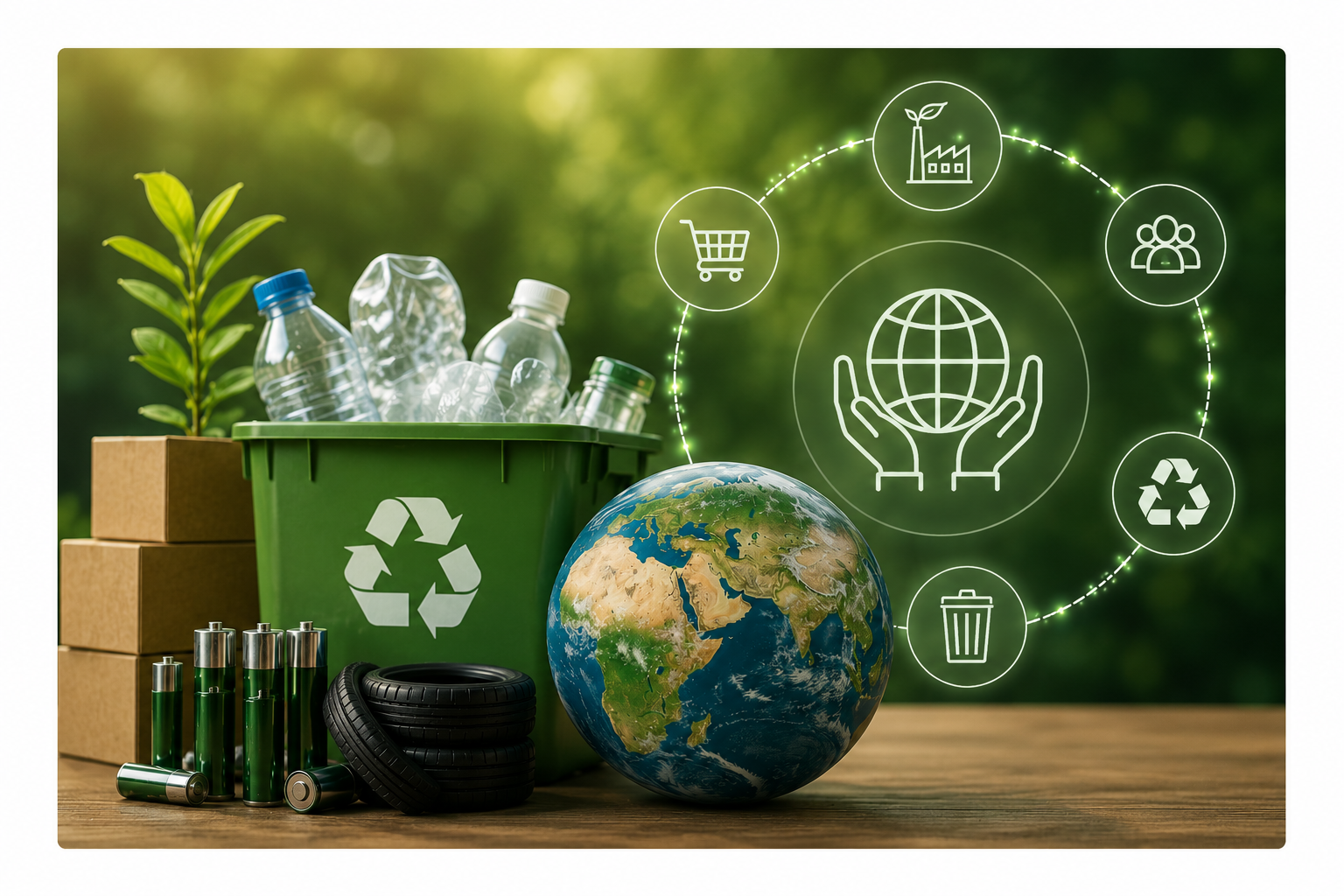
EPR Registration in India has become an important step for businesses that manufacture, import, or sell products linked to plastic, e-waste, batteries, tyres, and packaging waste. Imagine a growing brand launching products across multiple cities. Sales increase, packaging expands, and so does the responsibility to manage post-consumer waste. This is where Extended Producer Responsibility helps companies move from simple selling to responsible lifecycle management.
What Is EPR and Why Does It Matter?
Extended Producer Responsibility means businesses are responsible for the waste generated from their products after consumer use. It encourages companies to collect, recycle, process, and report waste in a structured manner.
For modern businesses, this is not only about legal compliance. It is also about brand trust, environmental responsibility, and long-term sustainability. Customers today prefer brands that care about what happens after a product is sold.
Understanding the EPR Certificate
An EPR Certificate is official proof that a business is registered under the required waste management framework. It shows that the company has accepted its responsibility for collection, recycling, and reporting.
Who May Need an EPR Certificate?
Businesses involved in plastic packaging, electronics, batteries, tyres, or similar regulated categories may need to apply. Producers, Importers, and Brand Owners often fall under this requirement, depending on their product type and business model.
Why It Is Important
Without proper documentation, businesses may face compliance issues, delays, penalties, or operational restrictions. Having the right certificate helps companies operate confidently and transparently.
The Real Challenge: Compliance After Registration
Many businesses assume the work ends once the certificate is received. In reality, EPR compliance continues throughout the year. Companies must maintain records, coordinate with authorised recyclers, track waste collection, and submit required reports.
Common Compliance Challenges
Businesses often struggle with documentation gaps, unclear category selection, recycler coordination, missed reporting timelines, and changing regulatory requirements. These issues can create unnecessary stress if not handled early.
What Is EPR Fulfillment?
EPR Fulfillment refers to the practical execution of your responsibility after registration. It includes waste collection planning, recycler tie-ups, documentation, recycling proof, and compliance reporting.
Think of it like this: registration gives you permission to operate responsibly, while fulfillment proves that you are actually meeting your obligations.
Key Parts of EPR Fulfillment
A structured fulfillment process may include identifying waste targets, working with authorised recyclers, collecting supporting documents, tracking recycling quantities, and preparing annual or periodic submissions.
Step-by-Step Tips for Businesses
1. Identify Your Waste Category
Start by understanding whether your business falls under plastic packaging, e-waste, battery waste, tyre waste, or another regulated category. Correct classification is important because each category may have different rules.
2. Keep Business Documents Ready
Prepare basic documents such as company registration details, GST certificate, product information, packaging details, and import-export documents if applicable.
3. Maintain Accurate Sales and Packaging Data
Your EPR obligation may depend on the quantity of products or packaging placed in the market. Keep clear monthly and yearly records to avoid reporting errors.
4. Work with Authorised Partners
Always coordinate with recognised recyclers, processors, or waste management partners. This helps ensure your recycling proof and documentation are valid.
5. Track Compliance Regularly
Do not wait until the last month. Review your EPR compliance status regularly so that reports, certificates, and recycler documents remain updated.
Why Professional Support Helps
For many businesses, EPR can feel technical and time-consuming. A consultant can help interpret requirements, prepare documentation, coordinate with recyclers, and manage submissions.
For companies seeking support with certification and compliance, this guide on the EPR Certificate in Kolkata can be a useful starting point for understanding the process and requirements.
Mistakes Businesses Should Avoid
1. Ignoring Post-Registration Duties
Getting registered is only one part of the journey. Businesses must also complete fulfillment and reporting responsibilities.
2. Choosing Unverified Recyclers
Working with unreliable vendors can lead to weak documentation and compliance risks.
3. Poor Record Keeping
Missing invoices, packaging data, collection proof, or recycling certificates can create problems during reporting.
4. Waiting Until Deadlines
Last-minute compliance often causes errors. A monthly tracking system is much safer.
Final Thoughts
EPR is not just a legal formality; it is a responsible business practice. With the right planning, documentation, and fulfillment support, companies can reduce compliance stress while contributing to a cleaner environment. A structured approach helps businesses stay compliant, responsible, and future-ready.

 English
 Arabic
 French
 Spanish
 Portuguese
 Deutsch
 Turkish
 Dutch
Dutch
 Italiano
 Russian
 Portuguese (Brazil)
 Greek
Greek