


Key Insights into 5000 Grafts Hair Transplant: Techniques and Outcomes
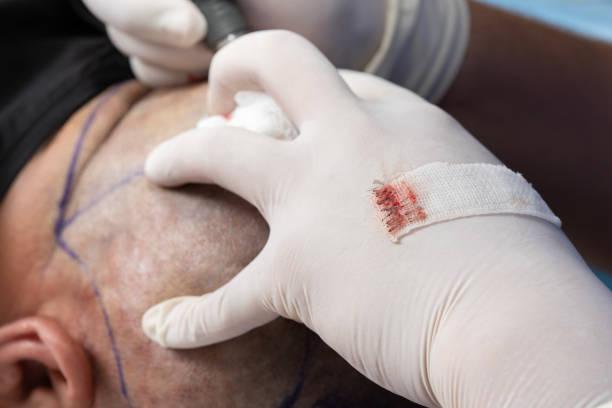
Hair loss can affect confidence and overall appearance, leading many people to explore advanced restoration solutions. One of the most comprehensive procedures available is a 5000-graft hair transplant, which is often recommended for individuals experiencing extensive hair thinning or advanced baldness. If you have been searching for How much does 5000 grafts Hair Transplant Cost in Riyadh?, understanding the procedure, expected outcomes, and the factors that influence treatment can help you make an informed decision.
A common concern among patients is understanding Hair transplant cost in Saudi Arabia, along with the quality of care and expected results. While every case is unique, the success of a hair transplant depends on several factors, including the number of grafts required, the donor hair quality, the chosen technique, and proper post-treatment care. Learning about these aspects allows patients to set realistic expectations before undergoing the procedure.
What Does a 5000-Graft Hair Transplant Mean?
A 5000-graft hair transplant is considered a large-scale procedure designed to restore significant areas of hair loss. A graft is a small piece of tissue containing one or more hair follicles that is carefully extracted from the donor area and transplanted into areas experiencing thinning or baldness.
This procedure is generally suitable for individuals with advanced stages of hair loss who require extensive coverage across the hairline, crown, and mid-scalp. The exact number of hairs transplanted varies because each graft may contain multiple hair follicles, resulting in thousands of new hairs growing naturally over time.
Who Is an Ideal Candidate?
Individuals with Extensive Hair Loss
Patients experiencing considerable hair thinning or baldness often benefit the most from a 5000-graft transplant. The procedure provides broader scalp coverage and creates a fuller appearance.
People with Healthy Donor Hair
The quality and density of the donor area play an essential role in determining whether enough healthy grafts can be harvested safely without compromising the appearance of the donor site.
Those with Realistic Expectations
Understanding that hair restoration is a gradual process helps patients remain patient throughout the recovery period. Natural growth occurs over several months before the final results become fully visible.
Popular Hair Transplant Techniques
Follicular Unit Extraction (FUE)
FUE is one of the most widely performed hair transplant methods. Individual follicular units are extracted using specialized instruments before being implanted into the recipient area. This technique leaves tiny, less noticeable marks and generally offers a quicker recovery.
Follicular Unit Transplantation (FUT)
FUT involves removing a strip of scalp from the donor area and separating it into individual grafts. This technique may be suitable for patients requiring a large number of grafts during a single procedure.
Advanced Implantation Methods
Modern implantation techniques focus on achieving natural hair direction, density, and hairline design. Careful placement of each graft contributes significantly to creating realistic and aesthetically pleasing outcomes.
Expected Results After a 5000-Graft Procedure
Natural Hairline Enhancement
One of the primary objectives is creating a balanced and natural-looking hairline that complements the patient's facial features.
Improved Hair Density
A larger number of grafts allows for better coverage across wider areas of hair loss, producing noticeably fuller hair once growth is complete.
Long-Term Hair Growth
Transplanted follicles are generally resistant to the pattern of hair loss that affected the original hair, allowing them to continue growing naturally for many years with appropriate care.
Recovery and Aftercare
The Initial Healing Phase
Following the procedure, mild redness, swelling, and small scabs may develop around the transplanted follicles. These temporary effects gradually improve as the scalp heals.
Hair Shedding Is Normal
Many patients experience temporary shedding of transplanted hairs during the first few weeks. This is a normal stage before healthy new hair begins to grow from the transplanted follicles.
Visible Hair Growth Timeline
New hair growth usually becomes noticeable after several months. Hair continues to thicken and mature over time, with the final appearance developing gradually as the follicles complete their growth cycle.
Factors That Influence the Overall Outcome
Experience of the Hair Restoration Team
Proper planning, precise graft placement, and careful handling of hair follicles significantly contribute to achieving natural-looking results.
Donor Hair Quality
Healthy donor hair provides stronger follicles, increasing the likelihood of successful transplantation and long-lasting growth.
Following Aftercare Instructions
Proper scalp care, avoiding unnecessary trauma, and attending scheduled follow-up visits help protect the transplanted grafts and support healthy healing.
Benefits of a 5000-Graft Hair Transplant
A well-planned procedure can significantly improve hair density, restore a youthful hairline, and enhance overall facial balance. Because the transplanted hair grows naturally, patients can wash, style, and maintain it just like their existing hair. The results are designed to blend seamlessly with surrounding hair, providing a more natural appearance that can boost confidence and improve overall satisfaction.
Frequently Asked Questions
Q: How long does it take to see the final results after a 5000-graft hair transplant?
A: Most patients notice gradual hair growth over several months, while the complete results typically develop as the transplanted follicles mature over time.
Q: Is a 5000-graft hair transplant suitable for everyone?
A: No. Suitability depends on the extent of hair loss, donor hair availability, scalp condition, and an individual assessment by a qualified hair restoration team.
Q: Will the transplanted hair look natural?
A: Yes. Modern hair transplant techniques are designed to create natural hairlines and realistic hair density when performed with careful planning and precise graft placement.
Q: Can transplanted hair fall out permanently?
A: Temporary shedding after the procedure is normal. The transplanted follicles usually begin producing new hair as part of the natural growth cycle.
Q: How should I care for my scalp after the procedure?
A: Following your clinic's aftercare instructions, keeping the scalp clean, avoiding excessive rubbing, and attending follow-up appointments all contribute to optimal healing and successful results.
Book Your Hair Restoration Consultation
If you are considering a hair restoration procedure and want expert guidance tailored to your individual needs, schedule a consultation with Enfield Royal Clinic. The experienced team provides comprehensive assessments, personalized treatment planning, and ongoing support to help you achieve natural-looking, long-lasting hair restoration results.

 English
 Arabic
 French
 Spanish
 Portuguese
 Deutsch
 Turkish
 Dutch
Dutch
 Italiano
 Russian
 Romaian
 Portuguese (Brazil)