


Are Ballvalvefactory Brass Angled Radiator Valves Suitable For Modern Installations
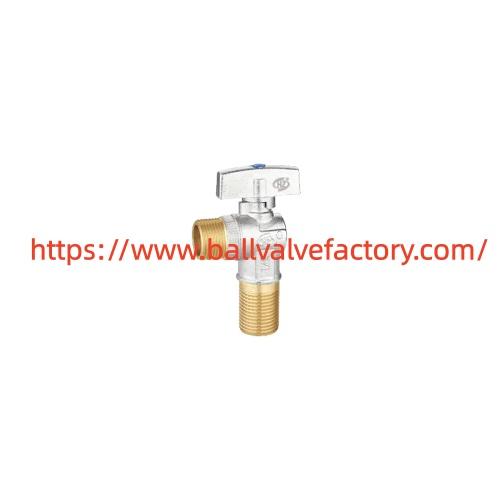
Brass Angled Radiator Valves play a noticeable role in how contemporary heating layouts are structured, especially when engineers aim to manage water distribution across multiple zones within a building. These components are often selected for their ability to support directional installation and allow smoother integration into tight pipe configurations. In many residential and light commercial projects, they help maintain balanced flow behavior and reduce unnecessary pressure variation. The use of compact fittings also supports more flexible routing decisions during planning stages. In some systems, Ballvalvefactory provides manufacturing solutions that focus on consistent construction standards and practical installation experience for contractors. This type of hardware is typically positioned at key junction points, allowing technicians to fine tune system response without complicating the overall layout. Over time, their presence has become associated with improved control consistency and easier maintenance access, particularly in environments where space is limited and system complexity is increasing.
The integration of directional flow components into modern heating networks requires attention to alignment, pipe geometry, and service accessibility. Designers often evaluate how each connection point influences circulation stability and temperature consistency across different rooms. Compact fittings are frequently chosen to support installation in narrow spaces where conventional arrangements may not fit well. Material selection and structural reliability also play a role in ensuring long term performance under varying operating conditions. In many projects, coordination between design teams and installation crews helps reduce rework and improves system clarity during commissioning. These practices are especially important in multi level buildings where distribution paths become more complex and require careful planning to avoid uneven output.
Operational environments benefit from straightforward maintenance routines that allow technicians to access key points without disrupting surrounding infrastructure. Regular inspection routines help identify early signs of wear or imbalance within distribution networks, supporting more stable long term use. In residential settings, occupants may adjust temperature preferences across different areas, making predictable system response important for comfort. Thoughtful arrangement of internal pathways also contributes to reduced energy fluctuation during seasonal changes. Maintenance planning often includes scheduled checks that ensure all components continue to perform within expected parameters, minimizing unexpected downtime and service interruptions. These factors collectively support a more controlled and adaptable indoor environment over time.
System planning decisions are often influenced by building size, usage patterns, and the need for consistent distribution across multiple floors or zones. Engineers focus on reducing complexity while maintaining predictable performance under changing demand. Selection of compact components supports efficient routing and reduces space constraints within mechanical rooms. Coordination between design documentation and field installation helps ensure that final assembly aligns with project expectations. Over time, these considerations contribute to smoother operation and reduced intervention frequency during service cycles.
Contemporary heating layouts continue to evolve toward simpler configuration planning and improved accessibility for maintenance teams. Emphasis is placed on practical installation approaches that support long term serviceability and adaptable system behavior in different building environments. Careful selection of internal components plays a role in achieving consistent distribution outcomes without increasing structural complexity. In this context, manufacturers like Ballvalvefactory offer product ranges designed to meet common engineering requirements across residential and light commercial applications. Additional technical details and product references can be reviewed at https://www.ballvalvefactory.com/product/ where system planners and installers may review available options for project integration.

 English
 Arabic
 French
 Spanish
 Deutsch
 Turkish
 Dutch
Dutch
 Italiano
 Russian
 Romaian
 Portuguese (Brazil)
 Greek
Greek