


Nutrition Tips to Support Healing After Arm Lift Surgery
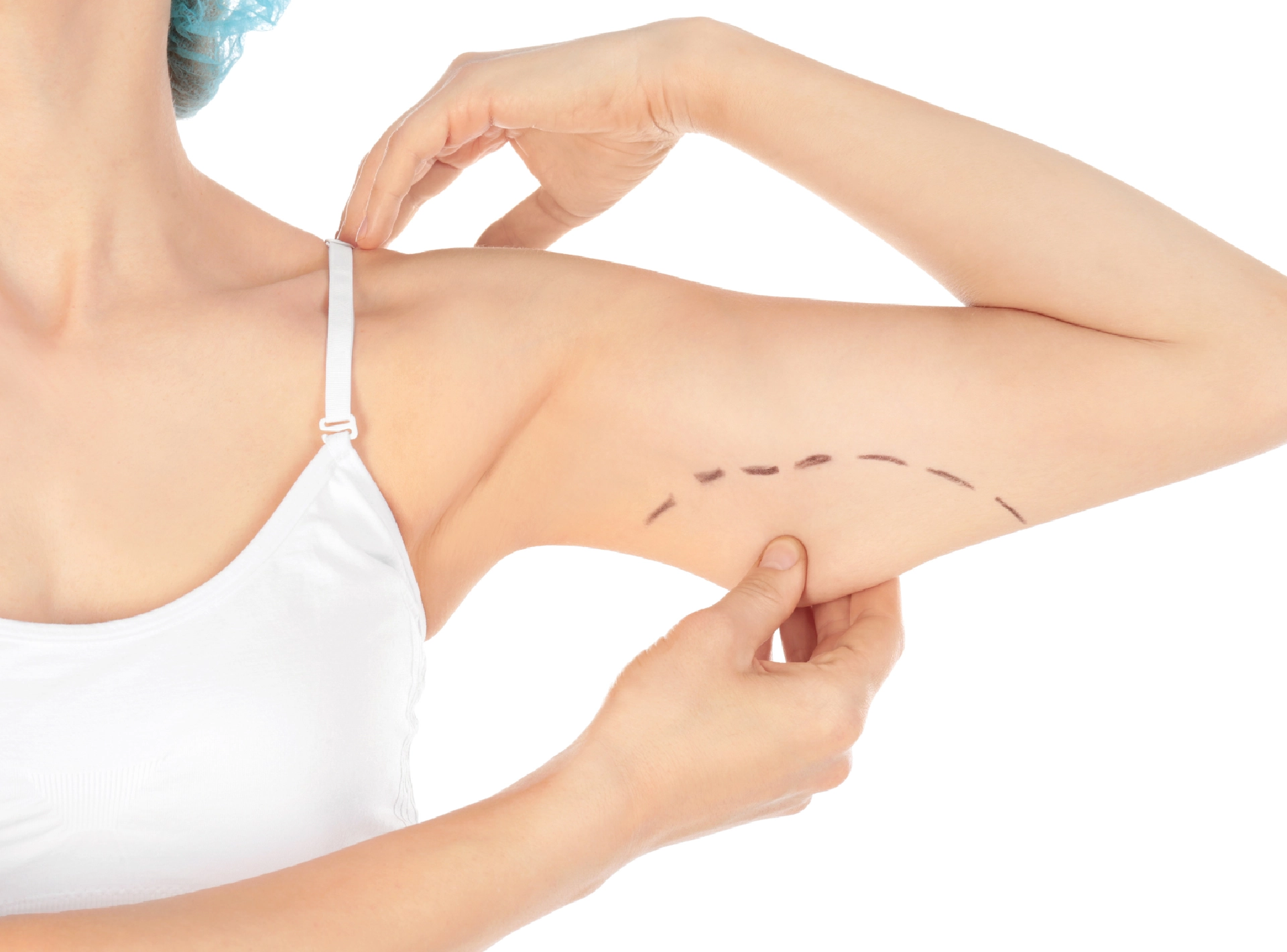
A successful recovery after Arm Lift Surgery in Riyadh depends on more than proper wound care and rest. Nutrition plays a vital role in supporting tissue repair, strengthening the immune system, reducing inflammation, and promoting overall healing. By eating a balanced diet filled with essential nutrients, patients can help their bodies recover more efficiently while supporting long-lasting surgical results. Making smart dietary choices before and after surgery contributes to both physical wellness and a smoother recovery experience.
Why Nutrition Is Important During Recovery:
Following surgery, the body requires additional energy and nutrients to repair tissues, produce new cells, and fight potential infections. A well-balanced diet provides the building blocks needed for efficient healing and overall recovery.
Proper nutrition helps:
- Support tissue regeneration
- Strengthen the immune system
- Reduce inflammation
- Promote wound healing
- Maintain healthy energy levels
- Support overall recovery
Providing the body with adequate nourishment creates an ideal environment for healing.
Increase Your Protein Intake:
Protein is one of the most important nutrients during surgical recovery because it supports tissue repair and helps rebuild muscles and skin. Including protein-rich foods in every meal can contribute to faster healing.
Excellent protein sources include:
- Skinless chicken
- Fish
- Eggs
- Greek yogurt
- Beans and lentils
- Tofu
Meeting daily protein needs helps support the body's natural healing processes.
Eat Plenty of Fruits and Vegetables:
Fresh fruits and vegetables provide vitamins, minerals, antioxidants, and fiber that support recovery. Their anti-inflammatory properties may also help reduce oxidative stress during healing.
Nutritious options include:
- Berries
- Oranges
- Spinach
- Broccoli
- Bell peppers
- Sweet potatoes
A colorful variety of produce helps supply a wide range of essential nutrients.
Stay Well Hydrated:
Hydration is essential for circulation, nutrient delivery, and proper wound healing. Drinking enough fluids also supports healthy digestion and helps the body eliminate waste products during recovery.
Good hydration habits include:
- Drinking water regularly
- Consuming herbal teas
- Eating water-rich fruits
- Including vegetable-based soups
- Limiting sugary beverages
- Monitoring hydration throughout the day
Proper fluid intake supports every stage of the healing process.
Focus on Vitamin-Rich Foods:
Certain vitamins are especially beneficial during postoperative recovery because they support collagen production, immune function, and tissue repair.
Important vitamins include:
- Vitamin C for collagen formation
- Vitamin A for skin health
- Vitamin E for antioxidant support
- Vitamin D for immune health
- B vitamins for energy production
- Vitamin K for normal healing
Obtaining these nutrients from a balanced diet supports overall recovery.
Include Healthy Fats:
Healthy fats help reduce inflammation and support cell repair while providing a valuable source of energy during healing. Choosing nutrient-dense fats contributes to overall wellness.
Healthy fat sources include:
- Avocados
- Olive oil
- Nuts
- Seeds
- Fatty fish
- Natural nut butters
Moderate consumption of healthy fats supports balanced nutrition and recovery.
Avoid Foods That May Slow Healing:
Some dietary choices may interfere with the body's natural healing process or contribute to unnecessary inflammation. Limiting these foods can support a smoother recovery.
Foods to reduce include:
- Highly processed snacks
- Sugary desserts
- Fried foods
- Excessively salty meals
- Sugary soft drinks
- Excessive alcohol
Choosing wholesome, nutrient-rich meals encourages better healing outcomes.
Support Digestive Health:
Reduced physical activity and certain medications may temporarily affect digestion after surgery. Maintaining digestive health contributes to greater comfort during recovery.
Helpful dietary habits include:
- Eating high-fiber foods
- Including whole grains
- Consuming probiotic-rich yogurt
- Drinking enough water
- Eating smaller balanced meals
- Adding fruits and vegetables daily
Healthy digestion supports overall recovery and physical well-being.
Follow Your Surgeon's Dietary Recommendations:
Every patient's recovery is unique, and nutritional needs may vary depending on medical history, overall health, and individual healing progress. Following personalized dietary guidance helps optimize recovery.
Important postoperative habits include:
- Eating balanced meals
- Taking prescribed medications correctly
- Following supplement recommendations if advised
- Maintaining regular meal schedules
- Monitoring appetite changes
- Attending follow-up appointments
Combining proper nutrition with medical guidance helps create the best possible healing environment.
Final Thoughts:
Proper nutrition is an essential part of recovering successfully after Arm Lift Surgery in Riyadh. A balanced diet rich in protein, vitamins, healthy fats, fruits, vegetables, and adequate hydration supports tissue repair, strengthens the immune system, and promotes long-term healing. By making healthy food choices and following your surgeon's postoperative recommendations, you can help your body recover efficiently while protecting the results of your procedure and supporting your overall health for years to come.

 English
 Arabic
 French
 Spanish
 Portuguese
 Deutsch
 Dutch
Dutch
 Italiano
 Russian
 Romaian
 Portuguese (Brazil)
 Greek
Greek