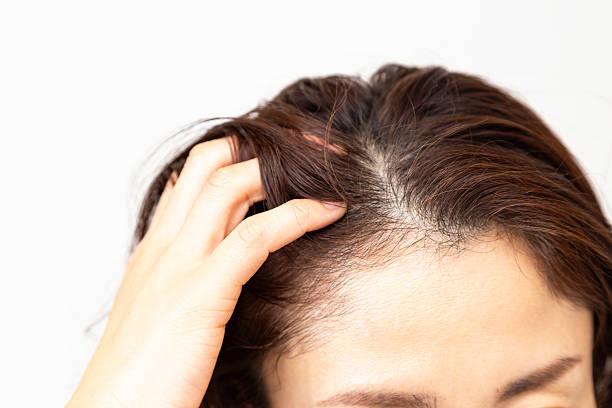
Genetic hair loss, also known as androgenetic alopecia, is the most common cause of hair thinning in both men and women. It occurs when hair follicles become sensitive to dihydrotestosterone (DHT), a hormone that gradually shrinks follicles and shortens the hair growth cycle. Over time, this leads to thinner hair and reduced density, especially at the crown and hairline.
Modern regenerative medicine is now exploring new ways to manage this condition beyond traditional treatments. exosome injection is one of the emerging approaches being studied for its ability to support follicle regeneration at a cellular level.
Key points:
- Caused by genetic sensitivity to DHT
- Leads to progressive follicle miniaturization
- Affects both men and women
- Requires early intervention for better outcomes
What Are Exosomes and Why Are They Important?
Exosomes are tiny extracellular vesicles released by stem cells that carry proteins, growth factors, and genetic signals. These signals help cells communicate and repair damaged tissue. In hair restoration, exosomes are used to stimulate inactive or weakened hair follicles and improve the scalp environment.
Researchers believe that Exosomes Therapy for Hair Loss in Riyadh may help improve follicle activity by enhancing cellular repair mechanisms and reducing inflammation around the scalp.
Key points:
- Derived from stem cell communication systems
- Carry regenerative biological signals
- Support tissue repair and follicle activation
- Improve scalp health and circulation
What Research Suggests About Exosomes and Hair Growth
Early research and clinical observations suggest that exosome therapy may help stimulate hair follicle activity and improve hair density in individuals with androgenetic alopecia. Studies indicate that exosomes can activate dermal papilla cells, which play a key role in hair growth regulation.
While research is still evolving, initial findings are promising, especially for patients in early stages of hair loss. Exosomes Therapy for Hair Loss in Riyadh is being explored as part of regenerative dermatology for its potential to improve hair cycling and follicle strength.
Key points:
- May activate hair growth-related cells
- Supports dermal papilla cell function
- Shows promise in early clinical studies
- Still under ongoing scientific research
How Exosomes May Help Genetic Hair Loss
Exosomes work by sending regenerative signals to weakened follicles. These signals help improve blood flow, reduce inflammation, and encourage follicles to re-enter the growth phase of the hair cycle. In genetic hair loss, this can help slow down follicle miniaturization.
However, results depend on how active the follicles are. Exosomes Therapy for Hair Loss in Riyadh is more effective when used in early to moderate stages before complete follicle loss occurs.
Key points:
- Improves follicle communication and repair
- Reduces inflammation in the scalp
- May slow follicle miniaturization
- Works best in early-stage hair loss
Limitations Highlighted in Research
Current research also highlights limitations of exosome therapy. While it shows encouraging results, it is not considered a permanent cure for genetic baldness. In areas where follicles are completely inactive or absent, regeneration is unlikely.
Scientists emphasize that more large-scale clinical trials are needed to fully confirm long-term effectiveness.
Key points:
- Not a cure for advanced baldness
- Requires active hair follicles for results
- Long-term studies are still ongoing
- Results vary between individuals
Comparison with Traditional Treatments
Traditional treatments for genetic hair loss include medications and surgical hair restoration. These methods can be effective but often focus on slowing progression or relocating hair rather than regenerating follicles.
Exosome therapy offers a different approach by targeting cellular repair. Exosomes Therapy for Hair Loss in Riyadh is considered a regenerative option that may complement existing treatments.
Key points:
- Traditional treatments slow or redistribute hair loss
- Exosomes focus on follicle regeneration
- Non-surgical and minimally invasive
- Can be combined with other therapies
Who May Benefit Most from Exosomes?
Research suggests that individuals in the early stages of genetic hair loss may benefit the most. Those with thinning hair but still active follicles are more likely to respond positively to regenerative signals.
Early intervention plays a critical role in achieving better outcomes.
Key points:
- Early-stage androgenetic alopecia patients
- Individuals with thinning but active follicles
- People seeking non-surgical options
- Those combining multiple treatment approaches
Future Potential of Exosome Therapy
The future of exosome therapy looks promising as research continues to explore its regenerative potential. Scientists are studying improved formulations, delivery methods, and combination therapies to enhance results for genetic hair loss.
As evidence grows, Exosomes Therapy for Hair Loss in Riyadh may become a more established part of modern hair restoration protocols.
Key points:
- Ongoing scientific research
- Improving regenerative techniques
- Potential for combination therapies
- Future standard in hair restoration
Book Your Consultation at Royal Clinic Saudia
If you are experiencing genetic hair loss and want to explore advanced regenerative options, professional evaluation is essential. At Royal Clinic Saudia, specialists assess your scalp condition and determine whether exosome therapy is suitable for your stage of hair loss. Early consultation can help you understand realistic expectations and choose the most effective treatment plan for natural hair improvement.
FAQs:
What does research say about exosomes for genetic hair loss?
Early studies show they may stimulate follicle activity and improve hair density.
Can exosomes cure genetic baldness?
No, but they may help slow progression and improve early-stage thinning.
Are exosomes better than traditional treatments?
They offer a regenerative approach but are still being researched.
Who responds best to exosome therapy?
People with early-stage genetic hair loss and active follicles.




 English
 Arabic
 French
 Spanish
 Portuguese
 Deutsch
 Turkish
 Dutch
Dutch
 Russian
 Romaian
 Portuguese (Brazil)
 Greek
Greek