


How to Convert JPG to EXP for Embroidery and Get Perfect Stitch Results
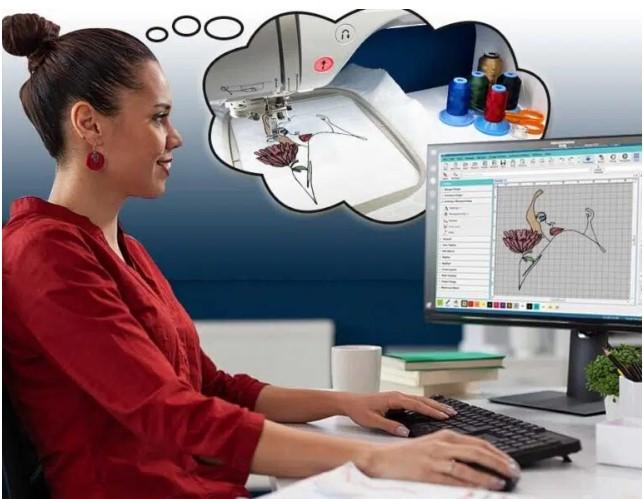
Embroidery helps create beautiful logos, names, and artwork on fabric. It is used on shirts, hats, jackets, bags, and many other products. But great embroidery starts with a quality file. Even the best embroidery machine cannot create smooth stitches without proper digitizing.
Many embroidery users need to Convert JPG to EXP for Embroidery because embroidery machines cannot read normal image files. A JPG file only contains pixels. It does not contain stitch data. An EXP file contains instructions that tell the machine where to place stitches and how to sew the design. A properly converted file helps create clean embroidery and protects important details. This step is very important for perfect stitch results.
Years of embroidery experience have shown that file quality affects every project. Poor files can cause thread breaks and uneven stitching. Strong files help machines run better and create professional embroidery. That is why good digitizing matters.
In this guide, we will explain how JPG images are converted into EXP files and why this process helps create better embroidery.
What Is an EXP File?
An EXP file is an embroidery file format.
It contains stitch instructions.
These instructions include:
-
Stitch direction
-
Stitch type
-
Stitch order
-
Thread colors
-
Density settings
Embroidery machines use this data to sew designs.
Without these instructions, the machine cannot work properly.
Why JPG Files Cannot Be Stitched
JPG Files Contain Pixels
A JPG image is only a picture.
It does not contain stitch paths.
Machines cannot understand pictures.
Embroidery Machines Need Stitch Data
Machines need instructions.
Digitizing creates these instructions.
This process transforms artwork into a machine-ready file.
Start with Quality Artwork
High-Resolution Images Produce Better Results
Clear images help preserve details.
Good artwork should be:
-
Bright
-
Sharp
-
Easy to see
-
High quality
Clean artwork creates stronger embroidery files.
Blurry Images Create Problems
Poor images may lose details.
Small shapes become difficult to stitch.
Better artwork improves results.
Simplify Complex Designs
Thread Has Limits
Embroidery thread behaves differently than ink.
Tiny details may disappear during stitching.
Professional digitizers simplify:
-
Thin lines
-
Small shapes
-
Tiny text
This improves stitch quality.
Focus on Important Elements
Strong embroidery highlights:
-
Borders
-
Text
-
Shapes
-
Main details
Simple designs usually sew better.
Choose the Right Stitch Types
Satin Stitches
Satin stitches work well for:
-
Lettering
-
Borders
-
Small areas
They create smooth finishes.
Fill Stitches
Fill stitches cover large spaces.
They provide strength and balance.
Running Stitches
Running stitches add detail.
They improve texture and outlines.
Each stitch type serves a purpose.
Proper Density Creates Better Embroidery
Heavy Stitching Causes Problems
Too many stitches may lead to:
-
Thread breaks
-
Needle breaks
-
Fabric puckering
Balanced density prevents these issues.
Correct Density Improves Quality
Professional settings create:
-
Smooth fills
-
Sharp details
-
Strong stitching
Balanced density improves appearance.
Underlay Supports the Design
Why Underlay Matters
Underlay stitches form the base layer.
They help:
-
Hold fabric in place
-
Support top stitches
-
Reduce shifting
This creates cleaner embroidery.
Different Fabrics Need Different Underlay
Digitizers adjust settings for:
-
Cotton
-
Polyester
-
Denim
-
Stretch fabric
These changes improve stitch quality.
Stitch Direction Affects Appearance
Stitch Angles Create Texture
The direction of stitches changes how embroidery looks.
Proper angles create:
-
Better shine
-
Smooth surfaces
-
Balanced fills
Good Planning Improves Results
Professional digitizers carefully plan stitch paths.
This creates attractive embroidery.
Pull Compensation Protects Details
Thread Pulls Fabric
During stitching, thread creates tension.
This tension can change the design shape.
Proper Compensation Maintains Accuracy
Digitizers protect:
-
Letters
-
Curves
-
Borders
These adjustments improve quality.
Human Experience Matters
Software Cannot Replace Skill
Automatic software helps with simple work.
But software cannot fully understand:
-
Thread behavior
-
Fabric movement
-
Machine limits
Human knowledge remains important.
Manual Editing Improves Quality
Professional digitizers adjust:
-
Stitch direction
-
Density
-
Underlay
-
Pull compensation
These changes create stronger files.
Quality Checks Prevent Problems
Careful review helps avoid errors.
This improves reliability.
Real Experience Creates Better Files
Every Design Is Different
Years of embroidery work show that every project presents different challenges.
Some designs contain:
-
Small text
-
Fine lines
-
Curves
-
Multiple colors
Each project needs attention.
Practical Knowledge Creates Strong Files
Experience helps digitizers understand how stitches behave on different fabrics.
This knowledge improves stitch quality.
Absolute Digitizing understands these challenges and creates machine-ready EXP files that support clean and professional embroidery.
Better Files Create Better Results
Strong embroidery starts with strong digitizing.
Good files create smoother stitching.
Small Details Matter
Attention to detail improves every project.
Test Stitching Improves Quality
Sample Runs Reveal Problems
Testing helps identify issues before production.
This prevents:
-
Gaps
-
Thread breaks
-
Distortion
Testing saves time and materials.
Small Changes Create Big Improvements
Professional digitizers review samples carefully.
Adjustments improve final quality.
Common Mistakes to Avoid
Using Poor Artwork
Blurry images create poor results.
Use clear images.
Ignoring Fabric Type
Different fabrics need different settings.
Fabric adjustments improve embroidery.
Adding Too Many Details
Tiny details often disappear.
Simple designs sew better.
Benefits of Professional Conversion
Better Stitch Quality
Quality files create:
-
Sharp text
-
Smooth fills
-
Clean borders
Professional embroidery looks better.
Faster Production
Balanced files reduce machine stress.
This helps prevent:
-
Thread breaks
-
Needle breaks
-
Machine stops
Smooth production saves time.
Reduced Material Waste
Good files save:
-
Thread
-
Fabric
-
Labor
This improves efficiency.
Many embroidery businesses trust Absolute Digitizing because of its focus on quality and dependable service.
Long-Term Benefits
Professional EXP files provide:
-
Better quality
-
Improved efficiency
-
Reduced waste
-
Strong branding
-
Long-lasting value
Absolute Digitizing helps businesses and embroidery shops create embroidery files that support smooth and reliable stitching.
Choosing the Right Digitizing Service
Look for Experience
Experience matters.
Skilled digitizers understand thread and machine behavior.
Review Samples
Look for:
-
Smooth fills
-
Sharp text
-
Clean outlines
-
Balanced density
These signs show quality work.
Focus on Quality
Fast service is useful.
But quality should always come first.
Strong files save time and money.
Conclusion
Converting a JPG image into an EXP embroidery file is an important step in embroidery production. A quality file helps machines run smoothly and creates clean, professional results. Proper density, stitch direction, and underlay all play a role in stitch quality.
Human experience makes a big difference. Skilled digitizers understand how thread, fabric, and machines work together. Their knowledge helps create embroidery that looks beautiful and lasts for years.
For anyone who wants perfect stitch results, professional JPG to EXP conversion is a smart investment. Better files create better embroidery and help ensure success in every project.

 English
 Arabic
 French
 Spanish
 Portuguese
 Deutsch
 Turkish
 Italiano
 Russian
 Romaian
 Portuguese (Brazil)
 Greek
Greek