


Hair Transplant in Riyadh: Understanding the Hair Growth Process
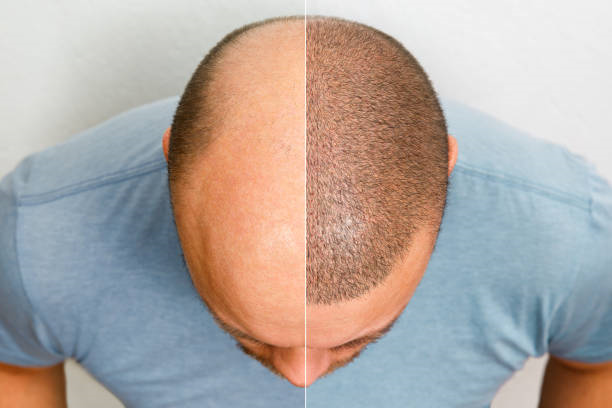
Hair loss is a common concern that affects people of different ages and backgrounds. Whether it develops gradually or occurs more rapidly, thinning hair can influence appearance, confidence, and self-image. As awareness of modern hair restoration techniques continues to grow, many individuals are exploring hair transplant procedures as a long-term solution. Understanding the natural hair growth process is essential before considering treatment, as it helps set realistic expectations and provides insight into how transplanted hair develops over time.
Individuals researching hair restoration often seek information about treatment outcomes, recovery, and the Hair Transplant Cost in Riyadh. While pricing can vary based on several factors, understanding the science behind hair growth is equally important because successful results depend on the natural growth cycle of the transplanted follicles.
Understanding the Natural Hair Growth Cycle
The human scalp contains thousands of hair follicles, each following a continuous cycle of growth, transition, rest, and shedding. This cycle determines the health, thickness, and density of the hair.
Hair growth begins during the anagen phase, which is the active growth stage. During this period, hair follicles produce new hair fibers that continue growing for several years. The duration of this phase varies from person to person and largely determines the maximum length of hair.
Following active growth, the hair enters the catagen phase. This transitional stage is relatively short and marks the end of active hair production. The follicle gradually shrinks and prepares to enter the resting stage.
The telogen phase follows, allowing the hair to remain in place while the follicle rests. Eventually, the old hair sheds naturally, making room for new hair growth. This continuous process ensures the regular renewal of scalp hair.
Why Hair Loss Occurs
Hair loss can result from numerous factors, including genetics, hormonal changes, aging, stress, and certain medical conditions. Among these causes, hereditary hair loss remains one of the most common reasons individuals seek hair restoration solutions.
Genetic hair loss typically affects the sensitivity of hair follicles to specific hormones. Over time, follicles become smaller and produce thinner strands until hair growth eventually stops. This process can lead to receding hairlines, thinning crowns, and reduced overall density.
Environmental influences can also contribute to hair thinning. Poor nutrition, prolonged stress, and unhealthy lifestyle habits may affect the normal hair growth cycle and accelerate shedding. Understanding the underlying cause of hair loss is essential before considering any restoration procedure.
What Is a Hair Transplant?
A hair transplant is a specialized procedure that involves relocating healthy hair follicles from one area of the scalp to another. The donor area usually contains hair follicles that are genetically resistant to hair loss, making them suitable for transplantation.
Once these follicles are carefully extracted and implanted into thinning or bald areas, they continue to grow naturally. Because the transplanted follicles retain their original characteristics, they can provide long-lasting and natural-looking results.
Many individuals exploring treatment options also search for information regarding hair transplant Price in Riyadh, as understanding both the procedure and the expected outcomes helps them make informed decisions.
How Transplanted Hair Grows
One of the most important aspects of a hair transplant is understanding how the transplanted hair develops after the procedure. Hair growth does not occur immediately, and patience is necessary throughout the process.
Following transplantation, the newly implanted follicles enter a temporary resting phase. During the first few weeks, many of the transplanted hairs may shed. This is a normal part of the process and should not be mistaken for treatment failure.
After the shedding phase, the follicles gradually begin producing new hair. Growth usually starts slowly and becomes more noticeable over the following months. As time progresses, the hair gains thickness, density, and strength.
Understanding this timeline helps individuals maintain realistic expectations and appreciate the gradual transformation that occurs during recovery.
Factors That Influence Hair Growth After Transplantation
Several factors can affect the speed and quality of hair growth following a transplant procedure. Individual healing responses play a significant role in determining how quickly follicles adapt to their new location.
Age is another important consideration. Younger individuals often experience more robust growth due to healthier follicular activity, although successful results can be achieved across a wide range of age groups.
Scalp health also contributes significantly to treatment outcomes. A healthy scalp environment supports follicle survival and encourages stronger hair development. Proper aftercare, balanced nutrition, and adherence to professional guidance can further enhance the growth process.
Individuals researching the Hair Transplant Cost in Riyadh should also understand that treatment success depends on various biological and procedural factors, not solely on financial considerations.
The Importance of Donor Hair Quality
Donor hair quality plays a crucial role in determining the overall success of a hair transplant procedure. The donor area serves as the source of healthy follicles that will be redistributed across thinning regions.
Thicker and healthier donor hair often provides better coverage and creates a fuller appearance after transplantation. The density of the donor area can also influence the number of grafts available for treatment.
During the planning stage, careful assessment of donor hair helps establish realistic goals and ensures a balanced, natural-looking result.
Hair Density and Natural-Looking Results
Achieving natural-looking results involves more than simply transplanting hair follicles. Proper placement, angulation, and distribution are essential components of successful hair restoration.
Hair naturally grows in specific directions and patterns. Replicating these patterns helps create seamless integration between existing and transplanted hair. Strategic placement also contributes to a balanced and aesthetically pleasing hairline.
As transplanted hair matures, it blends with surrounding hair, making the restoration increasingly difficult to distinguish from natural growth.
Recovery and Hair Growth Timeline
Recovery is a gradual process that varies among individuals. Mild redness and temporary sensitivity are common during the initial healing period and typically improve over time.
In the weeks following treatment, transplanted hairs may enter a shedding phase. This temporary occurrence is expected and indicates that the follicles are preparing for a new growth cycle.
Over subsequent months, fresh hair begins to emerge. Continued growth and thickening occur progressively, with improvements becoming increasingly visible. Full development often requires patience, as hair matures naturally over an extended period.
Understanding this timeline helps individuals remain confident throughout the recovery journey.
Maintaining Healthy Hair After a Transplant
Long-term hair health depends on consistent care and healthy lifestyle habits. Proper scalp hygiene supports follicular function and contributes to overall hair quality.
A balanced diet rich in essential nutrients can help nourish the scalp and promote stronger hair growth. Adequate hydration and stress management may also positively influence hair health.
Regular follow-up assessments can help monitor progress and ensure that transplanted hair continues to develop as expected. These practices contribute to maintaining both transplanted and existing hair for years to come.
Why Understanding Hair Growth Matters
Knowledge of the hair growth process enables individuals to approach treatment with realistic expectations and greater confidence. Understanding how follicles behave before and after transplantation helps clarify the gradual nature of results.
Rather than expecting immediate transformation, patients can appreciate the biological processes involved in hair restoration. This awareness often leads to higher satisfaction and a more positive overall experience.
People researching hair transplant Price in Riyadh frequently focus on treatment expenses, but understanding the science behind hair growth is equally important when evaluating the value of a hair restoration procedure.
Conclusion
Hair transplantation offers a proven method for restoring hair density and improving appearance by utilizing the body's natural growth mechanisms. By understanding the hair growth cycle, the stages of recovery, and the factors that influence follicle development, individuals can make informed decisions about their hair restoration journey. Those interested in learning more about treatment options, expected results, and the Hair Transplant Cost in Riyadh can consult the experienced team at Enfield Royal Saudi to receive personalized guidance and professional support tailored to their goals.
Frequently Asked Questions
What is the typical hair growth process after a hair transplant?
Transplanted hair usually undergoes a temporary shedding phase before new growth begins. Over time, the follicles produce stronger and thicker hair that continues to develop naturally.
How long does it take to see results from a hair transplant?
Hair growth occurs gradually, with visible improvements appearing over several months. Full maturation requires patience as the follicles progress through natural growth stages.
Does transplanted hair grow permanently?
In many cases, transplanted follicles are resistant to common forms of hair loss, allowing them to continue growing for the long term when properly maintained.
Is understanding the hair growth cycle important before treatment?
Yes, understanding the growth cycle helps set realistic expectations and provides insight into how transplanted hair develops after the procedure.
What factors affect hair transplant outcomes?
Several factors influence results, including donor hair quality, scalp health, healing response, and adherence to post-treatment care recommendations.
How does the Hair Transplant Cost in Riyadh relate to treatment planning?
The Hair Transplant Cost in Riyadh can vary depending on individual treatment needs, but understanding hair growth, graft requirements, and restoration goals is equally important when planning a procedure.

 English
 Arabic
 French
 Portuguese
 Deutsch
 Turkish
 Dutch
Dutch
 Italiano
 Russian
 Romaian
 Portuguese (Brazil)
 Greek
Greek