


Main Causes of Alopecia Areata Explained
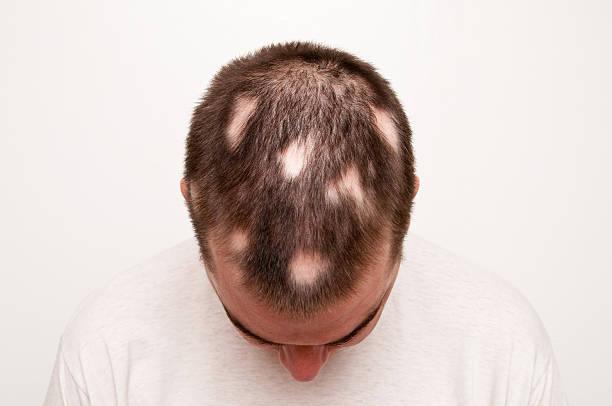
Hair loss can be an emotionally challenging condition, especially when it appears suddenly and in patches. One of the most common autoimmune-related forms of hair loss is alopecia areata, which can affect people of all ages and genders. Understanding its nature, causes, and available management approaches is essential for those seeking long-term scalp and hair health solutions. Early awareness and proper guidance can significantly improve outcomes and confidence.
In recent years, awareness has increased around alopecia area treatment in Saudi arabia, as more people seek effective ways to manage sudden patchy hair loss and restore healthy hair growth with proper medical support.
Understanding Alopecia Areata
Alopecia areata is an autoimmune condition where the body’s immune system mistakenly attacks healthy hair follicles, leading to patchy hair loss on the scalp, beard, or other body areas. The condition can appear suddenly and may progress differently for each individual.
In many cases, people search for reliable solutions such as Alopecia Areata Treatment in Riyadh when they notice early signs like small round bald patches or sudden hair shedding. Understanding the condition early helps in managing it effectively and reducing further progression.
Key points to understand:
- It is an autoimmune disorder, not caused by infection
- Hair loss usually appears in round or oval patches
- It may affect scalp, eyebrows, eyelashes, or beard
- Severity varies from mild patches to complete hair loss
- Early detection improves management outcomes
Main Causes and Triggers of Alopecia Areata
The exact cause of alopecia areata is not fully understood, but it is strongly linked to immune system dysfunction. Genetics and environmental factors also play a significant role in triggering or worsening the condition.
Stress, hormonal imbalance, and family history of autoimmune diseases can increase susceptibility. While it is not contagious, its unpredictable nature often leads people to explore options like Alopecia Areata Treatment in Riyadh to better understand management pathways and prevent worsening.
Common contributing factors:
- Autoimmune response attacking hair follicles
- Genetic predisposition or family history
- Emotional or physical stress
- Hormonal changes or imbalances
- Other associated autoimmune conditions
Recognizing the Symptoms Early
Early identification of symptoms is crucial for effective control. Alopecia areata does not usually cause pain or discomfort, but the visible changes in hair density can be distressing for many individuals.
Patients often first notice small bald patches that may gradually expand. In some cases, nails may also show minor changes such as ridges or pitting, indicating immune system involvement.
Common symptoms include:
- Sudden round or patchy hair loss
- Exclamation mark–shaped short hairs near bald areas
- Thinning of eyebrows or eyelashes
- Nail texture changes (in some cases)
- Rapid or unpredictable hair shedding
Treatment Approaches and Management Options
While there is no permanent cure for alopecia areata, several treatment approaches can help manage the condition, encourage regrowth, and reduce recurrence. Dermatological care focuses on calming the immune response and stimulating hair follicles.
Modern dermatology offers various strategies depending on severity and progression. Many individuals consider Alopecia Areata Treatment in Riyadh as part of a structured approach that includes medical evaluation, topical therapies, and supportive care plans designed to promote hair regrowth and improve scalp health.
Common treatment approaches:
- Topical corticosteroids to reduce inflammation
- Immune-modulating therapies to control autoimmune response
- Scalp stimulation treatments to encourage regrowth
- Supportive nutritional and lifestyle adjustments
- Regular monitoring to track progress
Living with Alopecia Areata and Emotional Well-being
Alopecia areata can impact self-esteem and emotional well-being, especially when hair loss becomes noticeable. Psychological support and stress management play an important role in overall care. Understanding that the condition is medically manageable helps reduce anxiety and improves coping.
Maintaining a balanced lifestyle, reducing stress, and following a consistent care plan can help individuals feel more in control. Seeking professional advice early ensures better long-term management and reduces uncertainty about progression.
Long-Term Care and Hair Health Maintenance
Managing alopecia areata requires ongoing attention rather than one-time treatment. Regular follow-ups, scalp care routines, and avoiding triggers can help maintain healthier hair growth cycles.
Patients are encouraged to stay consistent with their treatment plan and observe any changes in hair density or pattern. With proper guidance, many individuals experience periods of regrowth and stability over time.
Conclusion
Alopecia areata is an autoimmune condition that causes patchy hair loss, but with timely diagnosis and proper care, it can be effectively managed. Early understanding of symptoms, causes, and treatment options plays an important role in improving results and supporting healthier hair regrowth.
Many patients looking for Alopecia Areata Treatment in Riyadh benefit from professional evaluation and structured care plans designed to address the condition at its root level. With consistent management and medical support, long-term improvement is possible.
For personalized guidance and expert consultation, Royal Clinic Saudia provides dedicated support to help patients manage hair loss conditions with confidence and care.
FAQs:
What is the main cause of alopecia areata?
Alopecia areata is mainly caused by an autoimmune response where the immune system mistakenly attacks hair follicles, leading to patchy hair loss.
Is stress a direct cause of alopecia areata?
Stress is not a direct cause but can act as a trigger that may worsen or accelerate the condition in individuals who are already susceptible.
Can genetics increase the risk of alopecia areata?
Yes, individuals with a family history of autoimmune diseases have a higher likelihood of developing alopecia areata due to genetic predisposition.
Does alopecia areata indicate other health problems?
In some cases, it may be associated with other autoimmune conditions, but not everyone with alopecia areata will have additional health issues.

 English
 Arabic
 French
 Spanish
 Portuguese
 Deutsch
 Turkish
 Dutch
Dutch
 Italiano
 Russian
 Romaian
 Portuguese (Brazil)