


Post-Operative Care Tips for Rhinoplasty Patients in Riyadh
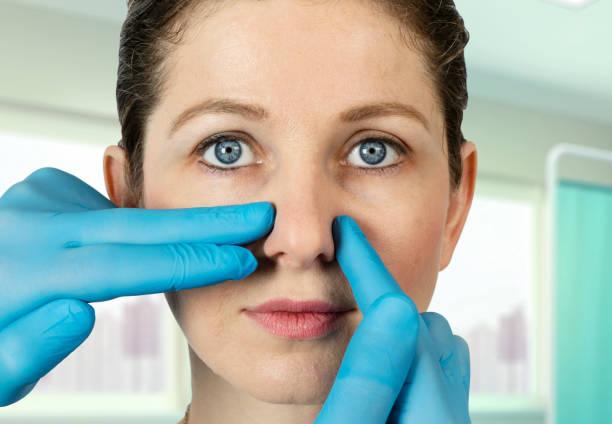
Recovering from a nose surgery procedure requires patience, commitment, and proper aftercare. Patients who undergo Rhinoplasty in Riyadh often focus on achieving long-lasting and aesthetically pleasing results, but the recovery phase plays an equally important role in the overall outcome. Understanding how to care for your nose after surgery can help reduce discomfort, support healing, and ensure the best possible results.
Many individuals considering Surgical Nose Reshaping in Riyadh are eager to learn about the recovery process before undergoing treatment. While every patient heals differently, following recommended post-operative care instructions can significantly improve the healing experience and minimize the risk of complications. Being informed about what to expect after surgery allows patients to feel more confident and prepared throughout their recovery journey.
Understanding the Initial Recovery Period
The first few days after rhinoplasty are often the most critical. During this stage, patients may experience swelling, bruising, mild discomfort, and nasal congestion. These symptoms are considered normal and usually improve gradually over time. Adequate rest and careful adherence to aftercare instructions can help the body recover more efficiently.
Managing Swelling and Bruising
Swelling and bruising around the nose and eyes are common after surgery. Applying cold compresses to the surrounding facial areas, while avoiding direct pressure on the nose, may help reduce these effects. Keeping the head elevated, even while sleeping, can also contribute to minimizing swelling during the early recovery phase.
Following Prescribed Instructions
Patients should carefully follow all post-operative recommendations provided by their healthcare team. These instructions are specifically designed to support healing and protect the newly reshaped nasal structure. Consistency in following guidance can make a significant difference in recovery outcomes.
Protecting the Nose During Healing
The nose remains delicate for several weeks after surgery. Protecting it from unnecessary pressure or accidental injury is essential to maintain the results achieved during the procedure.
Avoiding Physical Impact
Patients should be cautious when moving around crowded places or engaging in activities that may expose the nose to accidental bumps. Even minor impacts can affect healing tissues and potentially alter surgical results.
Wearing Glasses Carefully
Eyeglasses and sunglasses can place pressure on the healing nose. Depending on individual circumstances, patients may be advised to avoid wearing glasses directly on the nasal bridge until sufficient healing has occurred. Alternative support methods may be recommended during this period.
Maintaining a Healthy Recovery Routine
A healthy lifestyle can positively influence the recovery process. Supporting the body with proper nutrition, hydration, and rest allows tissues to heal more effectively.
Staying Hydrated and Eating Nutritious Foods
Drinking enough water and consuming nutrient-rich foods can aid the body's natural healing mechanisms. Foods containing vitamins, minerals, and protein help support tissue repair and contribute to a smoother recovery process.
Getting Adequate Rest
Rest is one of the most important aspects of post-operative care. Patients should avoid overexertion and allow their bodies sufficient time to heal. Quality sleep can promote faster recovery and reduce fatigue associated with the healing process.
Activities to Avoid After Rhinoplasty
Certain activities should be temporarily avoided to prevent complications and support optimal results. Understanding these restrictions can help patients navigate their recovery more confidently.
Limiting Strenuous Exercise
Intense physical activities can increase blood pressure and worsen swelling. Patients are generally advised to postpone vigorous workouts and heavy lifting until they receive clearance to resume normal activities.
Avoiding Smoking and Alcohol
Smoking and excessive alcohol consumption can interfere with the body's healing abilities. Avoiding these habits during recovery helps promote better circulation and supports healthier tissue repair.
Monitoring the Healing Progress
Healing after rhinoplasty is a gradual process. While some improvements become noticeable within weeks, final results may take several months to fully develop.
Attending Follow-Up Appointments
Regular follow-up visits allow healthcare professionals to monitor healing progress and address any concerns. These appointments are valuable for ensuring recovery remains on track and that the nose is healing as expected.
Being Patient with Results
It is important for patients to understand that swelling can persist for some time. Gradual changes occur throughout the healing process, and patience is essential when evaluating the final outcome of the procedure.
Long-Term Care for Lasting Results
Once the initial recovery phase has passed, ongoing care remains important. Protecting the nose from injury, maintaining a healthy lifestyle, and following professional recommendations can help preserve the results for years to come.
Sun Protection and Skin Care
The nasal area may be more sensitive after surgery. Using appropriate sun protection can help prevent discoloration and protect healing skin from unnecessary damage.
Maintaining Realistic Expectations
Every patient heals at a unique pace. Understanding that minor changes may continue over time helps patients appreciate the natural progression of their recovery and enjoy their final results with confidence.
Frequently Asked Questions
Q: How long does swelling last after rhinoplasty?
A: Initial swelling usually improves within a few weeks, but subtle swelling can take several months to fully resolve.
Q: When can I return to normal daily activities?
A: Most patients can resume light daily activities relatively soon, but strenuous activities should be delayed until advised by their healthcare provider.
Q: Is it normal to experience nasal congestion after surgery?
A: Yes, temporary nasal congestion is common during the early stages of recovery and generally improves as healing progresses.
Q: Can I sleep on my side after rhinoplasty?
A: Patients are usually encouraged to sleep with their head elevated and avoid putting pressure on the nose during the initial healing period.
Q: When will I see the final results of my rhinoplasty?
A: While early improvements become visible within weeks, final results can take several months to fully appear as swelling gradually subsides.
Schedule Your Consultation at Enfield Royal Clinic
If you are considering Rhinoplasty in Riyadh or would like personalized guidance regarding post-operative care, the experienced team at Enfield Royal Clinic is dedicated to supporting patients throughout every stage of their journey. Schedule a consultation to learn more about the procedure, recovery process, and the steps needed to achieve refined and natural-looking results.

 English
 Arabic
 French
 Spanish
 Portuguese
 Deutsch
 Turkish
 Italiano
 Russian
 Romaian
 Portuguese (Brazil)
 Greek
Greek