Mental health and gynecological wellness are deeply interconnected, influencing each other in ways that affect a woman’s overall quality of life. Hormonal changes, reproductive health conditions, and life stages such as menstruation, pregnancy, and menopause can all impact emotional wellbeing. At the same time, stress, anxiety, and depression can affect hormonal balance and menstrual cycles. Consulting specialists such as Gynecologists in Riyadh helps women receive holistic care that addresses both physical and emotional aspects of reproductive health.
How Mental Health Affects the Menstrual Cycle:
Emotional wellbeing plays a significant role in regulating hormones that control the menstrual cycle. Psychological stress can disrupt normal reproductive function and lead to cycle irregularities.
- High stress levels increase cortisol, affecting ovulation
- Anxiety can delay or suppress menstrual cycles
- Depression may cause irregular or missed periods
- Emotional distress can worsen PMS symptoms
- Chronic stress impacts long-term reproductive health
Hormonal Changes and Emotional Wellbeing:
Hormonal fluctuations throughout a woman’s life directly influence mood, energy levels, and emotional stability. Gynecologists often assess these changes when treating mental health-related symptoms.
- Estrogen influences serotonin levels and mood regulation
- Progesterone fluctuations can cause mood swings
- Thyroid imbalances may lead to anxiety or depression
- PCOS is linked to increased risk of emotional distress
- Menopause often brings mood instability and irritability
Gynecological Conditions and Mental Health Impact:
Certain gynecological conditions can significantly affect mental health due to physical discomfort, fertility concerns, and hormonal disruption. Early diagnosis helps improve both emotional and physical wellbeing.
- Endometriosis causing chronic pain and emotional distress
- PCOS linked to anxiety and body image concerns
- Infertility leading to stress and depression
- Heavy menstrual bleeding affecting quality of life
- Chronic pelvic pain contributing to emotional fatigue
The Role of Stress in Reproductive Health:
Stress is one of the most common factors affecting both mental and gynecological health. It can interfere with hormone production and worsen existing conditions.
- Stress disrupts the hypothalamic-pituitary-ovarian axis
- Can lead to irregular ovulation or missed cycles
- Increases severity of PMS and PMDD symptoms
- Affects libido and sexual health
- Contributes to fatigue and sleep disturbances
Sleep, Mood, and Hormonal Balance:
Sleep is essential for both mental and reproductive health, as it regulates hormone production and emotional stability. Poor sleep can worsen gynecological symptoms.
- Sleep deprivation increases cortisol levels
- Poor sleep disrupts estrogen and progesterone balance
- Insomnia is linked to mood disorders
- Irregular sleep cycles affect menstrual regularity
- Deep sleep supports emotional recovery and hormonal repair
Anxiety and Depression in Gynecological Conditions:
Women with chronic gynecological issues often experience higher rates of anxiety and depression due to ongoing symptoms and hormonal changes. Gynecologists consider mental health as part of treatment.
- Chronic pain increases risk of depression
- Fertility challenges cause emotional stress
- Hormonal disorders affect neurotransmitter balance
- Reproductive health concerns impact self-esteem
- Long-term conditions require emotional support alongside treatment
Life Stages and Emotional Changes:
Different stages of a woman’s life bring unique hormonal and emotional challenges that require integrated gynecological and psychological care.
- Adolescence: emotional changes during puberty and menstruation
- Reproductive years: stress related to fertility and pregnancy
- Postpartum period: risk of postpartum depression
- Perimenopause: mood swings and hormonal fluctuations
- Menopause: emotional adjustment to hormonal decline
Lifestyle Factors Supporting Mental and Gynecological Health:
Healthy lifestyle choices can improve both emotional wellbeing and reproductive health by stabilizing hormones and reducing stress levels.
- Regular physical activity reduces anxiety and improves mood
- Balanced nutrition supports hormonal regulation
- Stress management techniques like meditation or yoga
- Adequate sleep improves emotional resilience
- Strong social support enhances mental wellbeing
The Importance of Holistic Gynecological Care:
A holistic approach to gynecology includes attention to both physical and mental health. Gynecologists evaluate emotional symptoms as part of overall care.
- Assessment of mood changes alongside physical symptoms
- Screening for stress-related menstrual irregularities
- Collaboration with mental health professionals
- Personalized treatment plans addressing both body and mind
- Focus on long-term wellbeing rather than symptom management
When to Seek Professional Help:
Persistent emotional or gynecological symptoms should not be ignored, as early intervention can prevent complications and improve quality of life.
- Severe mood swings affecting daily functioning
- Irregular menstrual cycles linked to stress or anxiety
- Chronic pelvic pain or reproductive health concerns
- Difficulty coping with fertility-related stress
- Symptoms of depression or anxiety alongside hormonal changes
Role of Gynecologists in Mental Health Support:
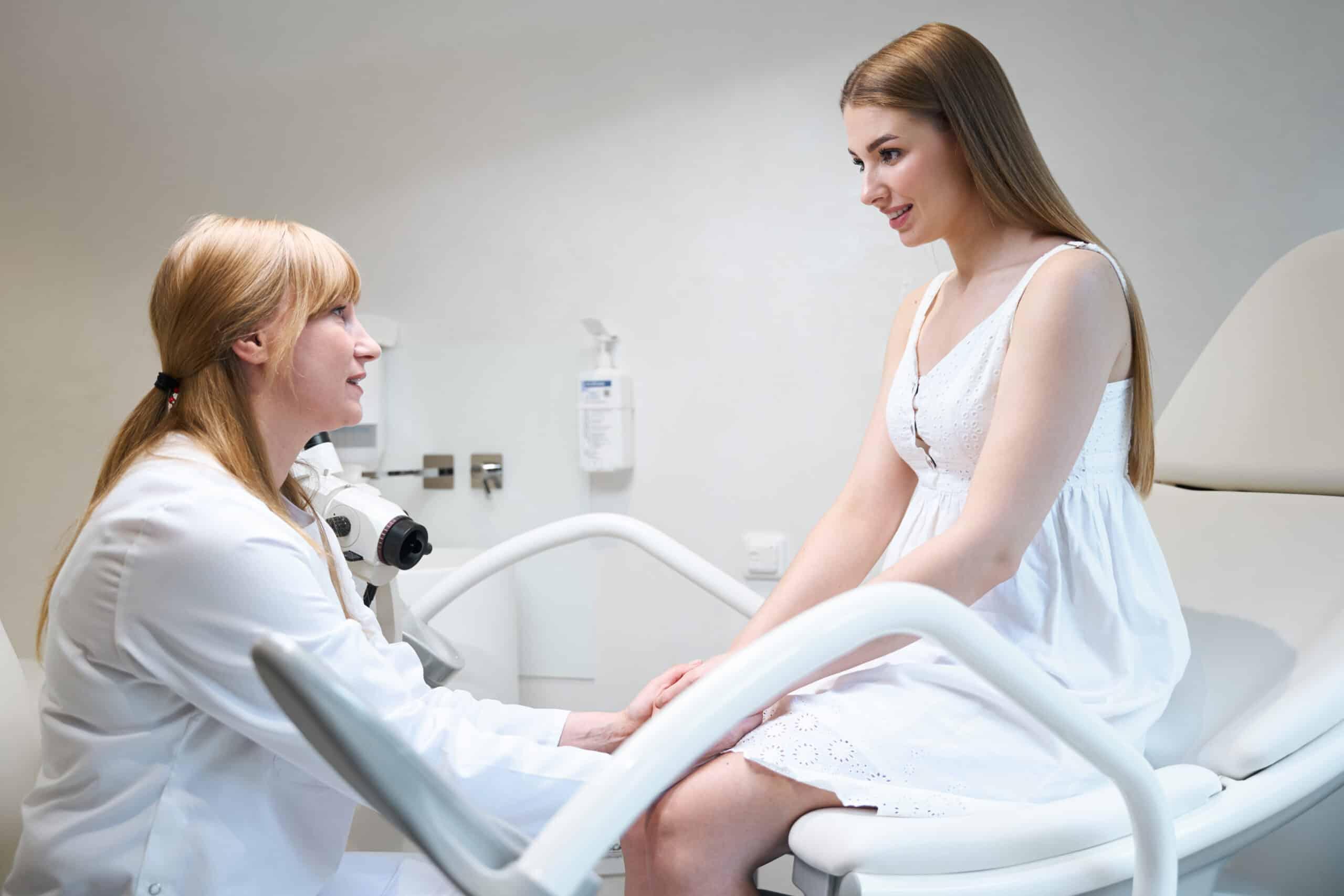
Gynecologists play an important role in identifying and addressing the connection between mental and reproductive health. Many women seek care from Gynecologists in Riyadh for comprehensive evaluation and integrated treatment that considers both emotional and physical wellbeing.
- Identifying hormone-related mood disorders
- Providing support for fertility-related emotional stress
- Coordinating care with psychologists or psychiatrists
- Offering treatment options that stabilize hormones and mood
- Supporting patients through life stage transitions
Final Thoughts:
The connection between mental health and gynecological wellness is strong and complex, influencing every stage of a woman’s life. Emotional wellbeing and reproductive health are closely linked through hormonal balance, stress levels, and life transitions. With proper medical support and holistic care from experienced professionals, including those in Riyadh, women can achieve better emotional stability, improved reproductive health, and a higher overall quality of life.




 Arabic
 French
 Spanish
 Portuguese
 Deutsch
 Turkish
 Dutch
Dutch
 Italiano
 Russian
 Romaian
 Portuguese (Brazil)
 Greek
Greek