


Massage: The Ancient Art of Treating with Hands-On Care
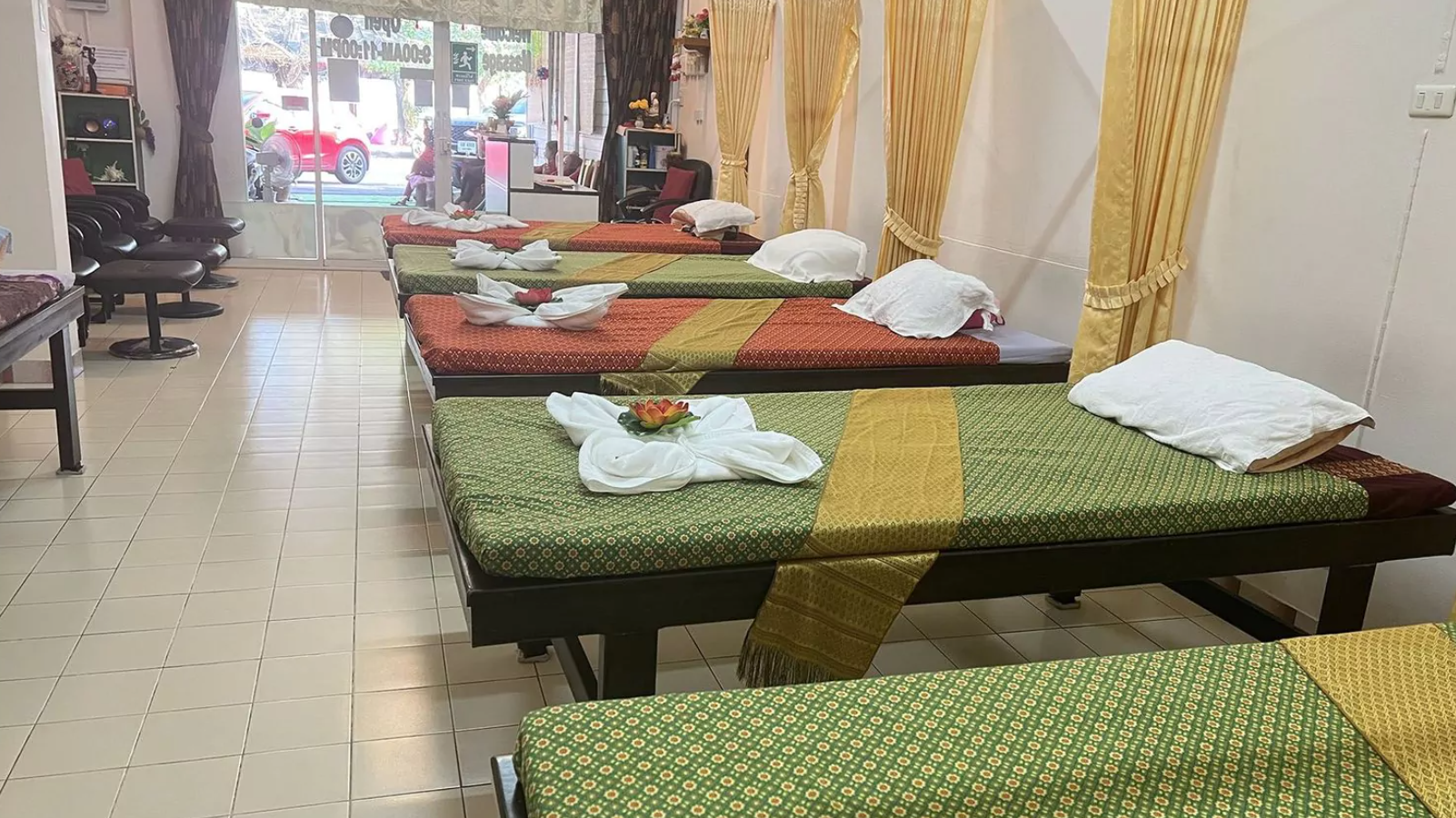
In an age of perpetual activity, a world of notification pings, approaching deadlines, and the familiar stiffness that follows too many hours looking down at a glowing rectangle, massage has not been surpassed as a simple, accessible, and profoundly useful form of medicine across thousands of years. Far exceeding the definition of a mere upscale treat or a simple stress-reduction technique, massage is a profound practice of healing, connection, and self-care. Detailed information on legal status of Nuru massage in Prague can be found on the online guide.
Spanning the distance between the aristocratic households of historical China and the up-to-date therapy rooms of New York City and Tokyo, the technique of applying pressure for medical benefit has successfully weathered every passing era. Massage can trace its lineage across multiple millennia of continuous practice.
Ancient Chinese writings from the third millennium BCE describe the use of massage for health purposes, in which anmo (the Chinese term for massage) worked hand in hand with acupuncture to harmonize the body's circulating energy, known as qi. During roughly the same historical period, Egyptian civilization showed reflexology techniques carved into the stone of burial chambers, from the Indian subcontinent came abhyanga, a method of massaging with tempered oils that Ayurvedic texts promise will both improve the skin's condition and calm the active mind.
Classical Greek doctors, including the famous figure Hippocrates, recommended rubbing (which they called "friction") as a treatment for damaged joints and injured muscles, Hippocrates left posterity with this observation: medical practitioners require competence in diverse areas, yet competence in rubbing is non-negotiable. Massage was democratized in Roman times: the emperor and the rank-and-file soldier ended their day with the same hands-on treatment inside the same bath complexes.
Among the many massage modalities available today, Swedish enjoys the greatest recognition and distribution, developed in the 19th century by Per Henrik Ling. The technique employs extended, smooth motions called effleurage; compression and rolling movements named petrissage; and percussion-like striking known as tapotement, the results include softer muscle tone, upgraded blood delivery to tissues, and diminished hormonal markers of physical and mental strain.
Whether you compete in athletics or simply endure unrelenting muscle stiffness, deep tissue work targets not just the surface muscles but also the deeper strata of soft tissue and the web of connective fascia, employing deliberate, more intense compression to dissolve localized tension points and sticky spots where tissue layers have bound together. A more targeted offshoot of traditional massage, sports therapy addresses the demands of physical competition, sports massage operates on both sides of the competition: it gets muscles ready to perform and then helps them return to a rested state.
If your symptoms include an inability to relax your shoulder girdle, regular tension headaches, or soreness in the temporomandibular joint area, common companions of modern desk life, trigger point therapy exists for precisely this collection of symptoms.
The practitioner's hands map your musculature until they discover the hyperirritable loci — the so-called trigger points — and then apply static compression directly into those identified zones, the sustained compression encourages the muscle to let go of its contraction, and the resulting release of tension frequently travels along known referral patterns to other anatomical areas.

 English
 Arabic
 French
 Portuguese
 Deutsch
 Turkish
 Dutch
Dutch
 Italiano
 Russian
 Romaian
 Portuguese (Brazil)
 Greek
Greek