


Why does Cnluxin Gate Hinges For Heavy Gates design reduce shifting in structural gate use
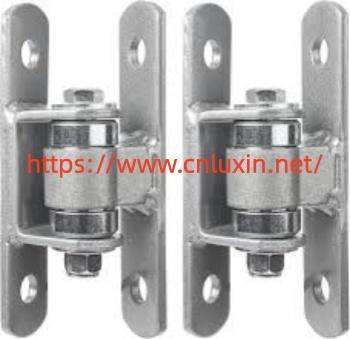
Gate Hinges For Heavy Gates design plays an important role in how gate structures maintain alignment during long term use. In many outdoor and industrial environments, gates are exposed to repeated movement cycles and varying load conditions. When design is not properly balanced, gradual shifting can occur, leading to uneven positioning and additional stress on surrounding structures. Engineers often focus on load distribution, connection geometry, and movement control to help reduce these effects. A well planned structure supports more stable operation and helps maintain predictable motion over time.
One of the key factors influencing alignment stability is how weight is supported at connection points. If pressure is concentrated in limited areas, small shifts can gradually build up during repeated use. This can eventually lead to misalignment that affects smooth operation. To address this, design strategies often distribute force across multiple support zones. This approach helps reduce localized stress and supports more balanced movement behavior during daily operation cycles.
Material selection also contributes to long term performance. Different materials respond differently under continuous load and environmental exposure. Temperature changes, moisture, and dust can all influence how surfaces interact over time. By choosing combinations that maintain consistent structural behavior, systems are better able to resist gradual deformation and maintain their original positioning for longer periods.
Another important consideration is installation precision. Even small deviations during setup can affect how forces travel through the structure. When alignment is not carefully managed from the beginning, minor inconsistencies can accumulate over time. Proper calibration during installation helps reduce this risk and supports more predictable long term performance. This is particularly important in facilities where gates are used frequently throughout the day.
Environmental exposure adds another layer of complexity. Outdoor gate systems must handle changing weather conditions that can influence expansion, contraction, and surface interaction. Without proper design considerations, these changes may contribute to gradual movement shifts. Engineers often account for these factors by incorporating structural flexibility that still maintains directional control under varying conditions.
Maintenance practices also play a role in preserving alignment stability. Regular inspection helps identify early signs of wear or imbalance before they develop into larger issues. When adjustments are made at appropriate intervals, systems can continue operating within expected movement ranges. This reduces the likelihood of sudden performance changes and helps maintain smoother operation over time.
Within this context, Cnluxin focuses on structural solutions that support practical gate system requirements. The emphasis is placed on balanced motion behavior and controlled load distribution, allowing installations to adapt to different operational environments without unnecessary complexity.
As gate systems continue to be used in a wide range of settings, attention to structural design remains important for maintaining reliable alignment. A carefully considered setup supports smoother movement patterns and reduces long term positional deviation. More details can be found at https://www.cnluxin.net/

 English
 Arabic
 French
 Spanish
 Portuguese
 Deutsch
 Turkish
 Italiano
 Russian
 Romaian
 Portuguese (Brazil)
 Greek
Greek