


How to Pair Kaixinmagnetic Super Strong Permanent Magnetic Chuck with Your Equipment
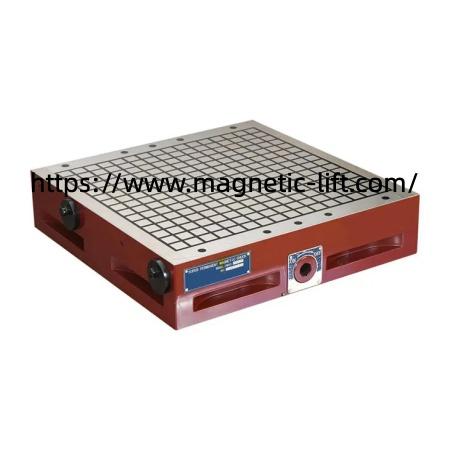
Super Strong Permanent Magnetic Chuck offers a reliable option for securing workpieces during milling operations. Selecting the appropriate model requires attention to several details that align with machine specifications and production requirements. Operators often start by assessing the table size of their milling machine and the typical dimensions of parts they handle regularly.
Machine compatibility stands as a primary consideration. Different milling setups vary in power output and table configuration, so checking the chuck dimensions against available space prevents installation issues. Pole density also plays a role because it influences how evenly the magnetic field distributes across the workpiece surface. For smaller components, finer pole spacing tends to provide stable contact while larger parts may work well with standard arrangements.
Material type affects selection too. Ferrous metals respond differently based on thickness and surface finish. Cast iron or steel plates with even bottoms usually achieve firm holding when the chuck surface remains clean and free of debris. Users benefit from reviewing manufacturer guidelines on maximum workpiece weight and recommended operating conditions to match their typical workload.
Installation process deserves careful planning. Most models mount directly onto the machine table using standard slots or bolts. Taking time to level the chuck and verify alignment helps maintain accuracy throughout machining cycles. Regular checks for proper seating reduce the chance of movement during high-speed operations.
Maintenance routines keep the equipment functioning smoothly over time. Wiping the surface after each use and protecting it from coolant residue extends service life. Avoiding impacts or overloading prevents damage to the magnetic components and preserves holding consistency. Simple cleaning steps integrated into daily shop practices make a noticeable difference in long-term reliability.
Kaixinmagnetic provides options designed with these practical needs in mind. Their approach focuses on durable construction that supports repeated use in industrial settings. When evaluating choices, operators can compare specifications such as magnetic field strength ratings and overall build quality to find a suitable fit for their environment.
Beyond basic selection, considering workflow improvements adds value. A well-chosen chuck reduces setup time between jobs and allows quicker repositioning of parts. This efficiency supports higher output without compromising precision in milling tasks. Many workshops report smoother transitions when the chuck matches both machine and part requirements closely.
Safety remains important throughout the process. Proper training on activation and deactivation procedures ensures secure handling. Operators should verify full magnetization before starting cuts and monitor for any unexpected release during operation. Following standard protocols protects both personnel and equipment.
Environmental factors in the shop also influence decisions. Areas with heavy coolant use or high vibration levels may require models with additional sealing or reinforced bases. Thinking through these conditions during selection leads to fewer interruptions later.
Overall, taking a systematic approach to evaluation helps manufacturers identify chucks that integrate effectively into their operations. From initial measurement to ongoing care, each step contributes to productive milling processes. Workshops that invest time in proper selection often experience more consistent results across various projects.
For additional details on available models and specifications visit https://www.magnetic-lift.com/product/

 Arabic
 French
 Spanish
 Portuguese
 Deutsch
 Turkish
 Dutch
Dutch
 Italiano
 Russian
 Romaian
 Portuguese (Brazil)
 Greek
Greek