


Potassium Blood Test: Normal Range, Purpose, Results & What They Mean
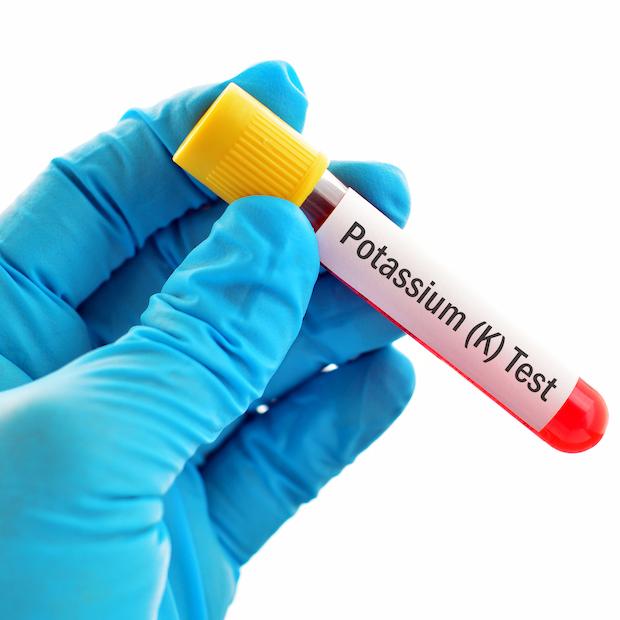
Potassium is one of the body's most important electrolytes. It plays a vital role in muscle contractions, nerve function, heart rhythm, and maintaining healthy fluid balance. Even a slight imbalance in potassium levels can lead to serious health complications, making the Potassium Blood Test an essential diagnostic tool. Whether your doctor suspects kidney disease, dehydration, heart problems, or electrolyte imbalance, this test provides valuable insights into your overall health.
In this guide, you'll learn what a potassium blood test is, why it is performed, normal potassium levels, what abnormal results mean, and how to prepare for the test.
What Is a Potassium Blood Test?
A Potassium Blood Test measures the amount of potassium present in your bloodstream. Potassium is an electrolyte that helps your body's cells, muscles, and nerves function properly. It also plays a crucial role in regulating heartbeat and maintaining healthy blood pressure.
Since the kidneys control potassium balance, this test is commonly ordered to evaluate kidney function and monitor patients with kidney disease. Healthcare providers also recommend it for people taking medications that affect potassium levels, such as diuretics, blood pressure medications, or certain heart medications.
The test is simple, requires only a small blood sample, and usually takes just a few minutes to complete. Despite its simplicity, the results can provide essential information about your overall health and help detect potentially life-threatening conditions before serious complications occur.
Why Is a Potassium Blood Test Performed?
Doctors recommend a Potassium Blood Test for several medical reasons. It is commonly included in routine electrolyte panels, especially for hospitalized patients or individuals with chronic illnesses.
You may need this test if you experience symptoms such as muscle weakness, persistent fatigue, irregular heartbeat, numbness, tingling sensations, muscle cramps, or unexplained paralysis. These symptoms may indicate either low or high potassium levels.
The test is also performed to:
- Monitor kidney function
- Evaluate dehydration
- Diagnose electrolyte imbalances
- Monitor high blood pressure treatment
- Assess heart rhythm disorders
- Monitor patients taking diuretics
- Evaluate adrenal gland disorders
- Check recovery from severe vomiting or diarrhea
Early detection allows healthcare providers to begin appropriate treatment before complications become severe.
What Is the Normal Potassium Range?
Normal potassium levels vary slightly between laboratories, but the generally accepted reference range is:
- Normal: 3.5 to 5.0 mmol/L
- Low Potassium (Hypokalemia): Below 3.5 mmol/L
- High Potassium (Hyperkalemia): Above 5.0 mmol/L
Values only slightly outside the normal range may not always indicate a serious medical condition. However, significantly abnormal potassium levels require prompt medical evaluation because both low and high potassium can affect heart function.
Your healthcare provider will interpret your results based on your medical history, medications, kidney function, and other laboratory findings rather than relying solely on the potassium value.
What Do High Potassium Levels Mean?
High potassium, known as hyperkalemia, occurs when potassium accumulates in the bloodstream faster than the body can eliminate it. This condition can become dangerous because it interferes with the electrical activity of the heart.
Common causes include:
- Chronic kidney disease
- Acute kidney injury
- Certain blood pressure medications
- Potassium supplements
- Severe dehydration
- Uncontrolled diabetes
- Adrenal gland disorders
- Extensive burns or traumatic injuries
Symptoms may include muscle weakness, numbness, fatigue, nausea, chest discomfort, or irregular heartbeat. Severe hyperkalemia can cause life-threatening heart rhythm abnormalities and requires immediate medical attention.
Treatment depends on the underlying cause and may involve dietary changes, medication adjustments, intravenous therapy, or emergency treatment in severe cases.
What Do Low Potassium Levels Mean?
Low potassium, called hypokalemia, is another common electrolyte disorder that can affect muscles, nerves, and the heart. It often develops gradually but may become serious if left untreated.
Common causes include:
- Persistent vomiting
- Chronic diarrhea
- Excessive sweating
- Diuretic medications
- Eating disorders
- Poor dietary intake
- Hormonal disorders
Symptoms often include muscle cramps, weakness, fatigue, constipation, tingling sensations, and abnormal heart rhythms. Severe potassium deficiency may result in muscle paralysis or dangerous cardiac complications.
Treatment generally involves correcting the underlying cause, increasing potassium-rich foods, or taking potassium supplements under medical supervision.
How Should You Prepare for the Test?
A Potassium Blood Test usually requires very little preparation. In most cases, fasting is not necessary unless your healthcare provider orders additional blood tests that require fasting.
It is important to inform your doctor about all medications, vitamins, and supplements you are taking because some drugs can affect potassium levels. These include diuretics, ACE inhibitors, potassium supplements, corticosteroids, and certain antibiotics.
Avoid excessive exercise immediately before the test because intense physical activity can temporarily alter potassium levels. Staying well hydrated and following your healthcare provider's instructions helps ensure accurate results.
What Happens During the Test?
The Potassium Blood Test is a quick and routine laboratory procedure. A healthcare professional cleans the skin, usually on the inside of your elbow, before inserting a small needle into a vein to collect a blood sample.
The procedure usually takes less than five minutes. You may feel a slight pinch during needle insertion, but discomfort is generally minimal. After the sample is collected, gentle pressure is applied to the puncture site to prevent bruising.
The blood sample is then sent to the laboratory, where potassium concentration is measured using specialized equipment. Results are often available within the same day or the following day.
How Can You Maintain Healthy Potassium Levels?
Maintaining healthy potassium levels involves balancing dietary intake while supporting kidney function and overall health. Most healthy individuals obtain enough potassium through a balanced diet.
Potassium-rich foods include:
- Bananas
- Oranges
- Spinach
- Sweet potatoes
- Tomatoes
- Beans
- Yogurt
- Avocados
- Coconut water
However, individuals with kidney disease should never increase potassium intake without medical advice because excess potassium may accumulate in the body.
Regular medical checkups, proper hydration, managing chronic illnesses, and taking medications exactly as prescribed all contribute to maintaining healthy potassium levels.
Book Your Potassium Blood Test from Top Labs of Pakistan via InstaCare and Get 35% Discount
Monitoring your potassium level is essential for maintaining heart health, kidney function, and overall well-being. With InstaCare, you can conveniently book your Potassium Blood Test from top diagnostic labs across Pakistan and enjoy up to 35% discount. Benefit from trusted laboratory services, reliable test results, and a hassle-free booking experience—all from the comfort of your home. Book your test today to stay proactive about your health.
Conclusion
A Potassium Blood Test is a simple yet highly valuable diagnostic test that helps detect electrolyte imbalances before they become serious. Whether evaluating kidney disease, monitoring medications, or investigating symptoms like muscle weakness or irregular heartbeat, this test provides critical information about your health. Understanding your potassium levels and following your healthcare provider's recommendations can help prevent complications and support long-term wellness.
Frequently Asked Questions (FAQs)
1. What is the normal potassium level in a blood test?
The normal potassium level typically ranges from 3.5 to 5.0 mmol/L, although slight variations may occur between laboratories.
2. Do I need to fast before a Potassium Blood Test?
Usually, no fasting is required. However, if your doctor has ordered additional blood tests, you may be asked to fast. Always follow your healthcare provider's instructions.
3. What happens if my potassium level is too high or too low?
Both high (hyperkalemia) and low (hypokalemia) potassium levels can affect muscle function and heart rhythm. Depending on the severity and underlying cause, your doctor may recommend dietary changes, medication adjustments, supplements, or further medical evaluation.

 Arabic
 French
 Spanish
 Portuguese
 Deutsch
 Turkish
 Dutch
Dutch
 Italiano
 Russian
 Romaian
 Portuguese (Brazil)
 Greek
Greek