


Hair Transplant for Thinning Hair: Complete Guide
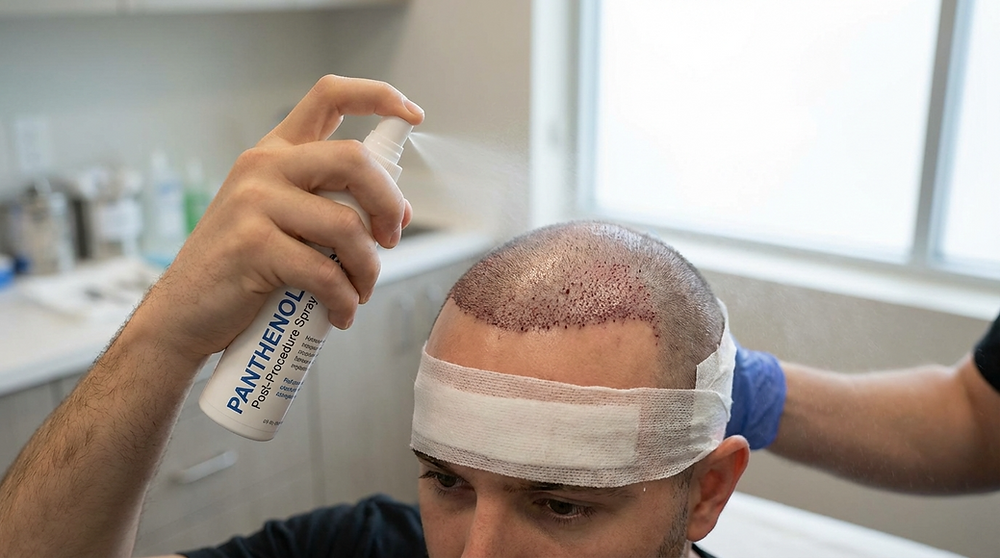
Hair transplant riyadh for thinning hair is a medical procedure designed to restore density in areas where hair has become weak, sparse, or uneven. It works by relocating healthy hair follicles from permanent growth areas of the scalp to thinning zones, helping create a fuller and more natural appearance.
Understanding thinning hair
Thinning hair is usually an early stage of hair loss where hair strands become finer and less dense over time. Common causes include:
- Genetic hair loss (male or female pattern baldness)
- Hormonal changes
- Stress and lifestyle factors
- Aging
- Nutritional deficiencies
Unlike complete baldness, thinning hair often still has active follicles, which makes it suitable for hair transplant in many cases.
Can hair transplant help thinning hair?
Yes, a hair transplant can be effective for thinning hair, but only when:
- There is enough healthy donor hair available
- The thinning pattern is stable or predictable
- The scalp condition supports graft survival
The goal is not just to add hair, but to increase density and improve overall coverage.
How the procedure works
A hair transplant for thinning hair follows a structured process:
- Healthy follicles are taken from the back or sides of the scalp
- Grafts are prepared under controlled conditions
- They are implanted into thinning areas
- The transplanted hair grows naturally over time
Once implanted, these follicles continue to grow like normal hair.
Techniques used for thinning hair
FUE Hair Transplant
Individual follicles are extracted and placed into thinning areas. It is commonly used for natural-looking density improvement with minimal scarring.
FUT Hair Transplant
A strip of scalp is used to harvest a large number of grafts. It is often chosen when significant coverage is needed.
DHI Hair Transplant
A precise implantation method that allows better control of angle and density, often used for hairline and crown refinement.
Ideal candidates
Hair transplant for thinning hair is suitable for:
- Early to moderate hair thinning
- Stable donor hair at the back or sides
- Patients with realistic density expectations
- Individuals with healthy scalp conditions
It may not be suitable for rapidly progressing hair loss unless medically stabilized.
Results timeline
- First 2 weeks: healing phase with mild redness or scabbing
- 2–3 months: temporary shedding of transplanted hair
- 3–6 months: early visible regrowth
- 9–12 months: fuller, final density results
Benefits
- Improves hair density in thinning areas
- Creates a natural and balanced hair appearance
- Long-term or permanent growth
- Low maintenance after recovery
Important considerations
- Hairline design affects overall natural look
- Overharvesting donor hair should be avoided
- Density is improved gradually, not instantly
- Some patients may need ongoing hair care support
Summary
Hair transplant for thinning hair is an effective solution for restoring density and improving overall hair appearance. By redistributing healthy follicles to thinning areas, it helps achieve long-lasting, natural results that develop gradually over several months.

 Arabic
 French
 Spanish
 Portuguese
 Deutsch
 Turkish
 Dutch
Dutch
 Italiano
 Russian
 Romaian
 Portuguese (Brazil)
 Greek
Greek